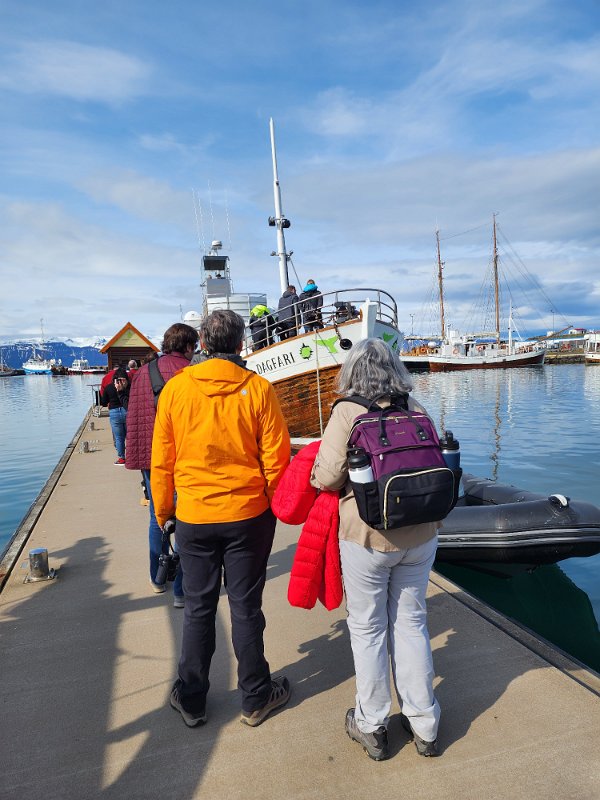
Kris, Nick and Sharon ready to go Whale watching from Húsavík, Iceland.

Once onboard we were each provided a very warm, full body coverup. It was a rare warm day though so you had to decide if you wanted to wear it or not. Kris…
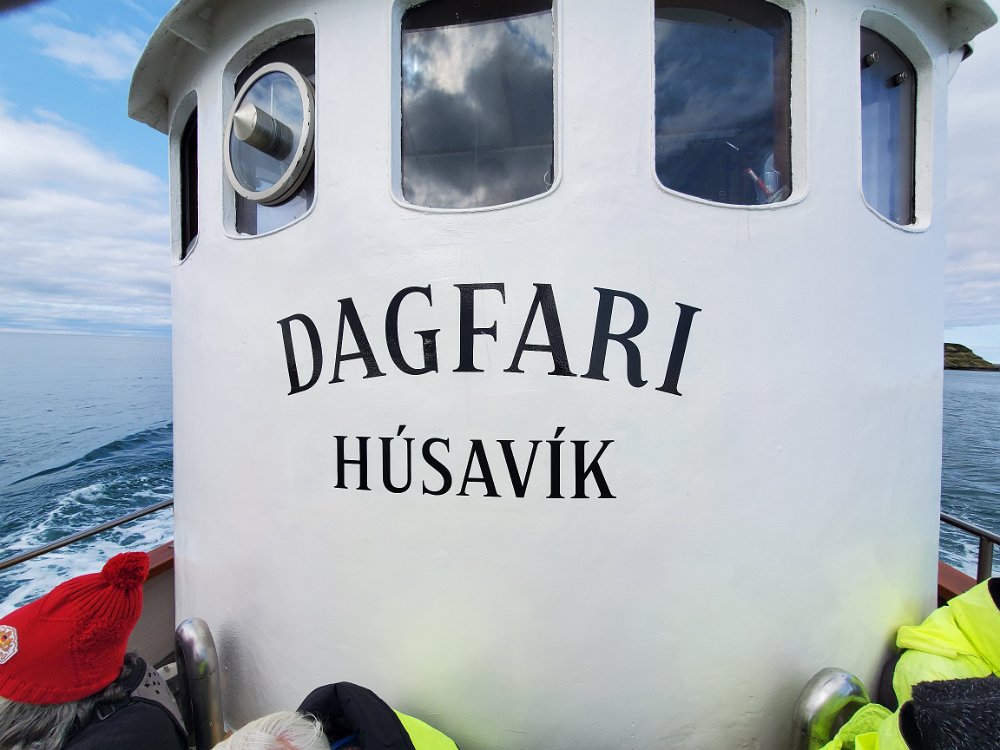
We took our tour on the Dagfari which was a restored wooden sailing vessel for our Puffin and Whale Watching
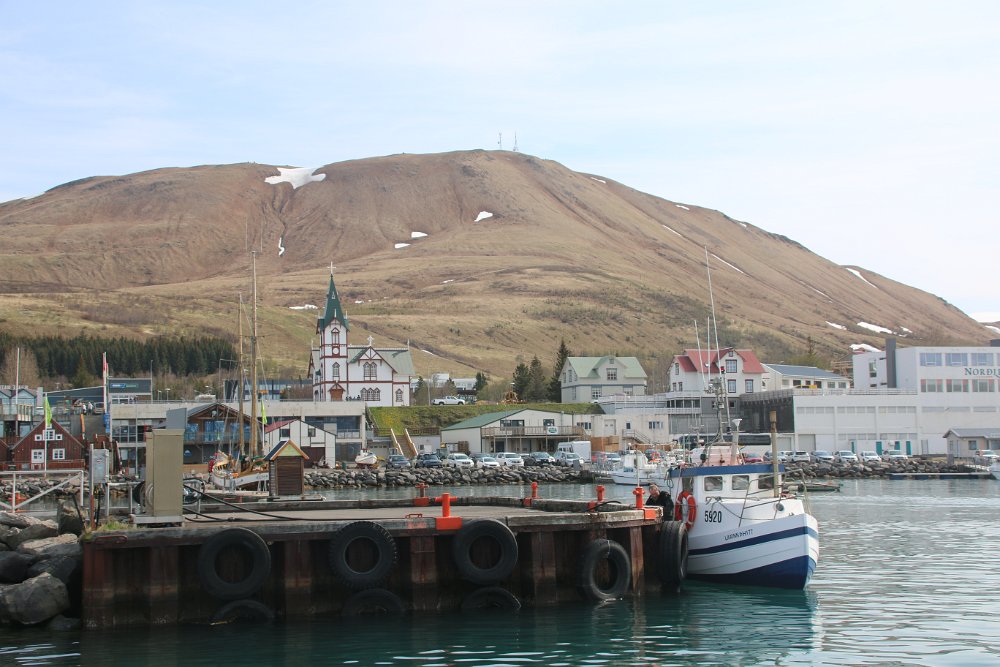
A look at the quaint town of Húsavík from our whale watching boat.
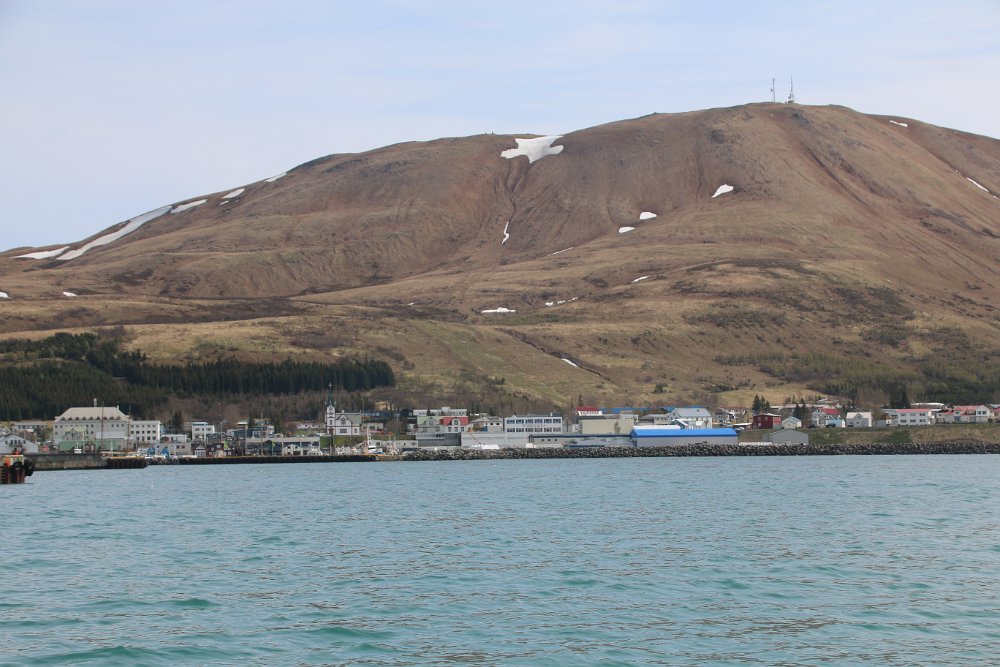
Another look at Húsavík as we left port for our days adventure.
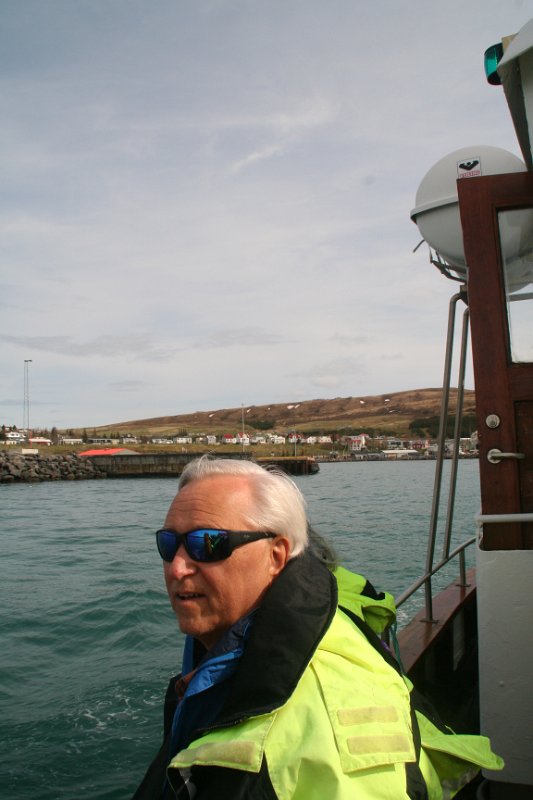
Ken with his warm overalls donned was keen to spot some puffins and whales.
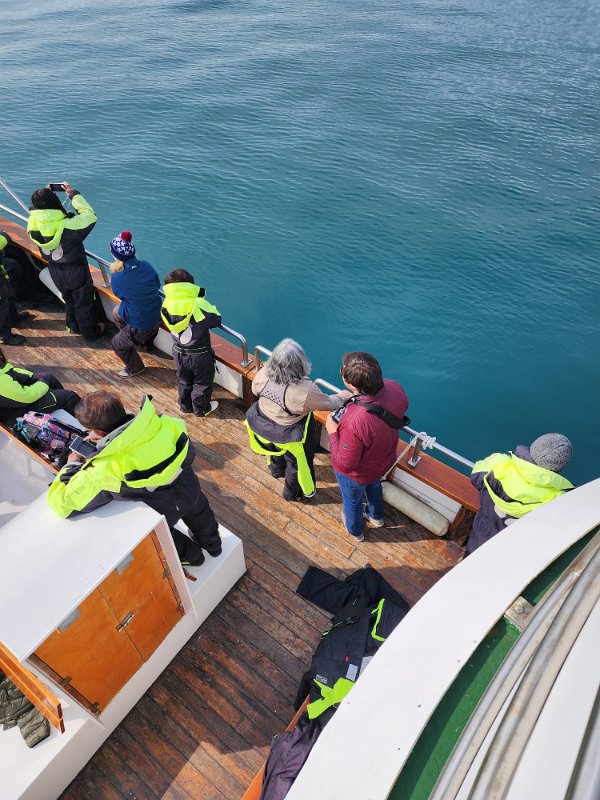
Sharon and Kris enjoy the ride our to Puffin Island.
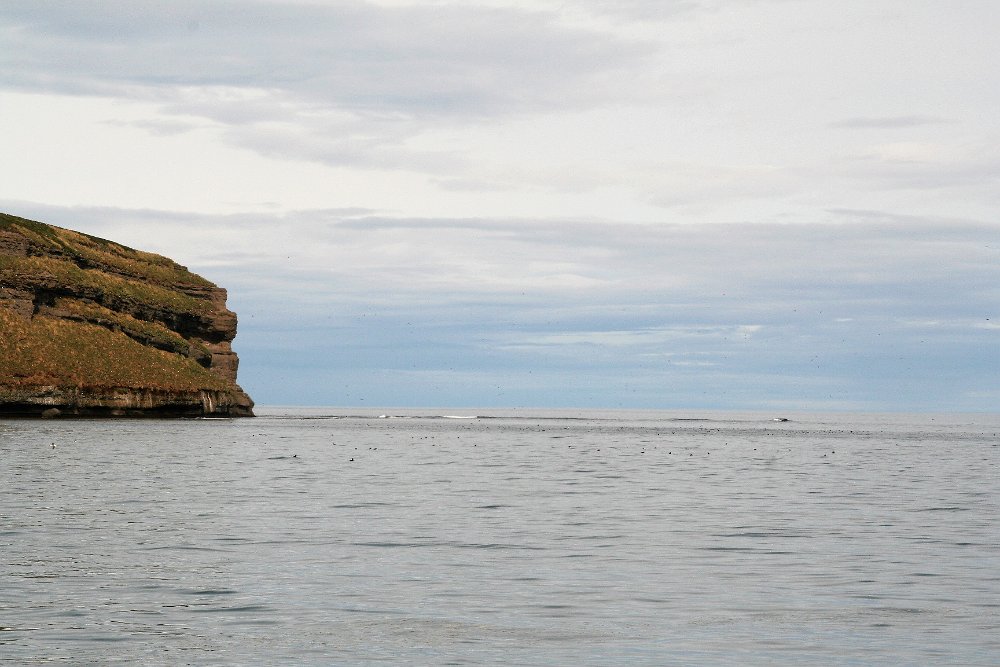
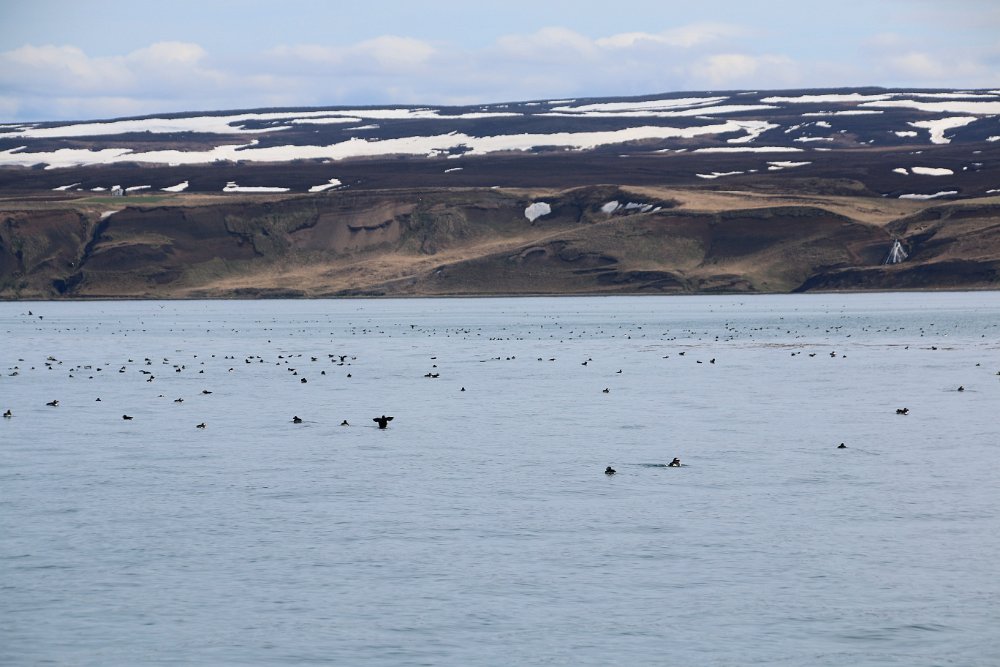
We started the tour by sailing to Puffin Island, located only a short distance out of Húsavík. Over the summer, Puffin Island is bustling with life, with over…
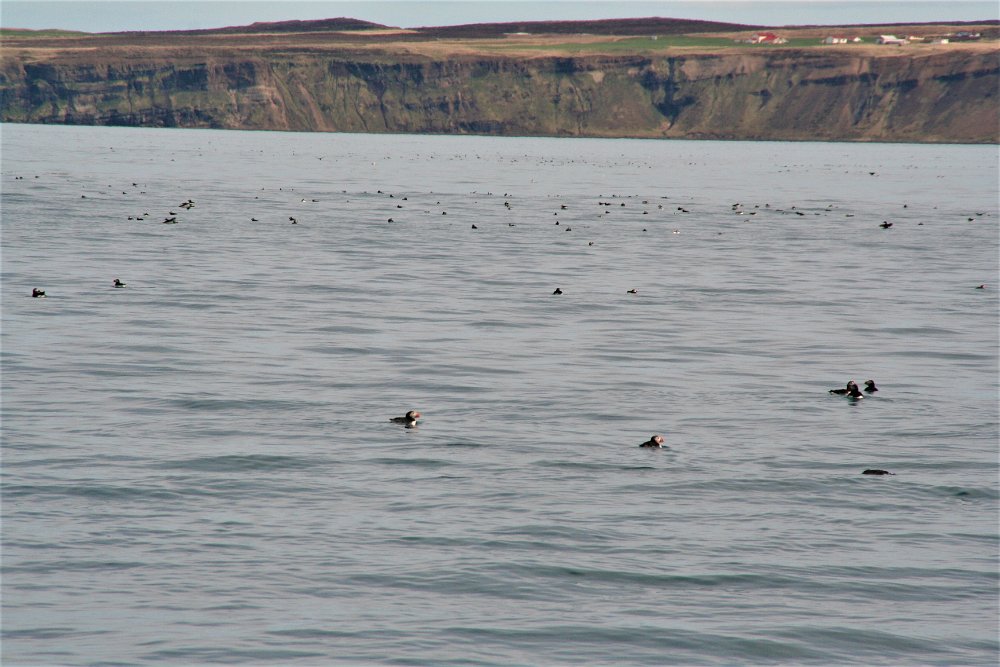
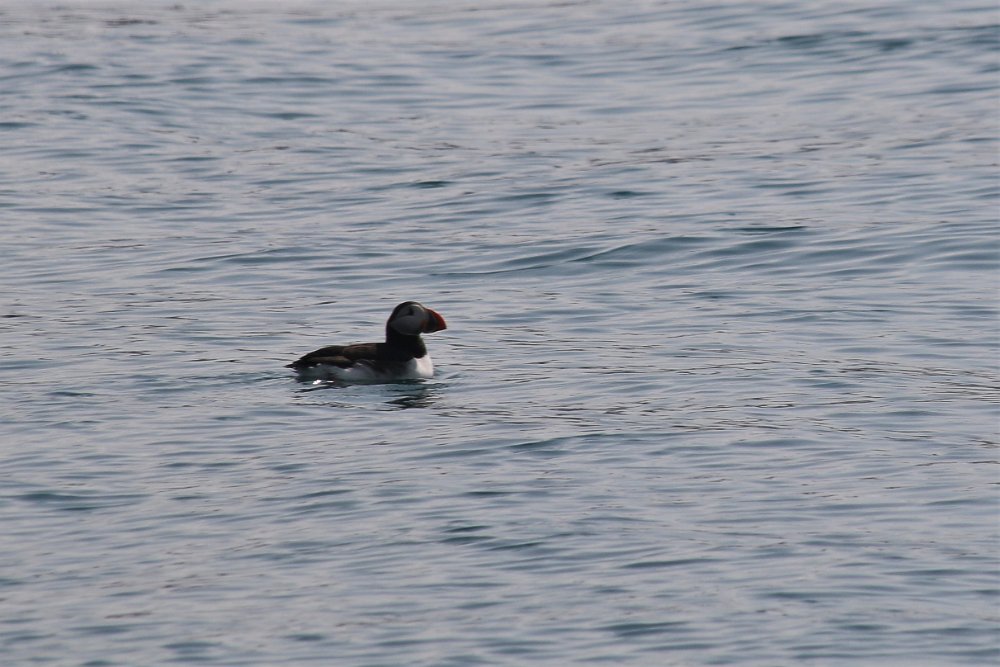
Nicknamed “sea parrots” – and sometimes “clowns of the sea“! – Atlantic puffins have black and white feathers and a large parrot-like beak. They are small…
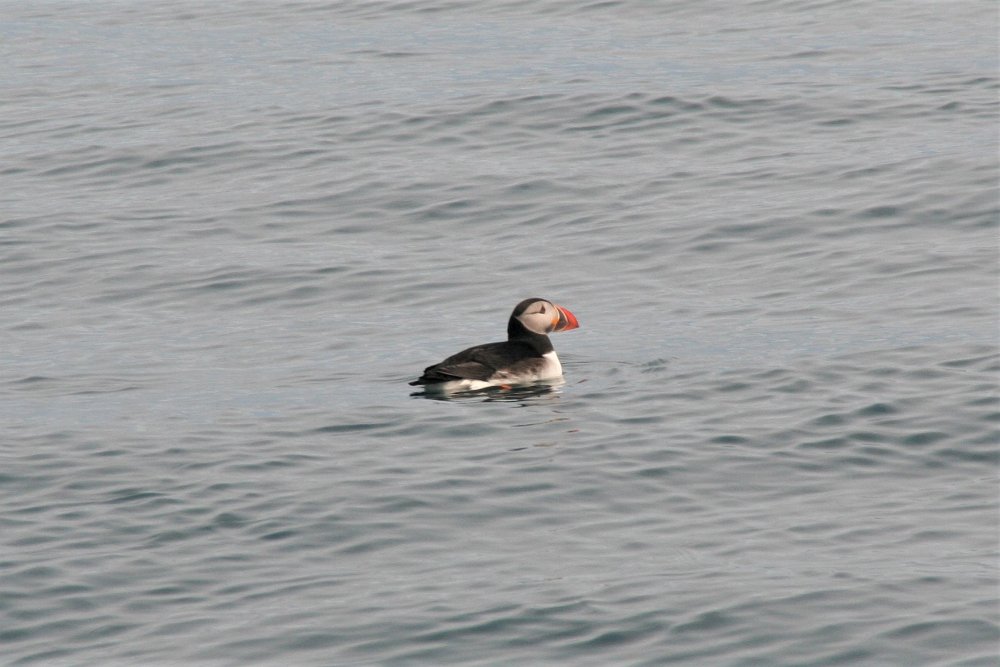
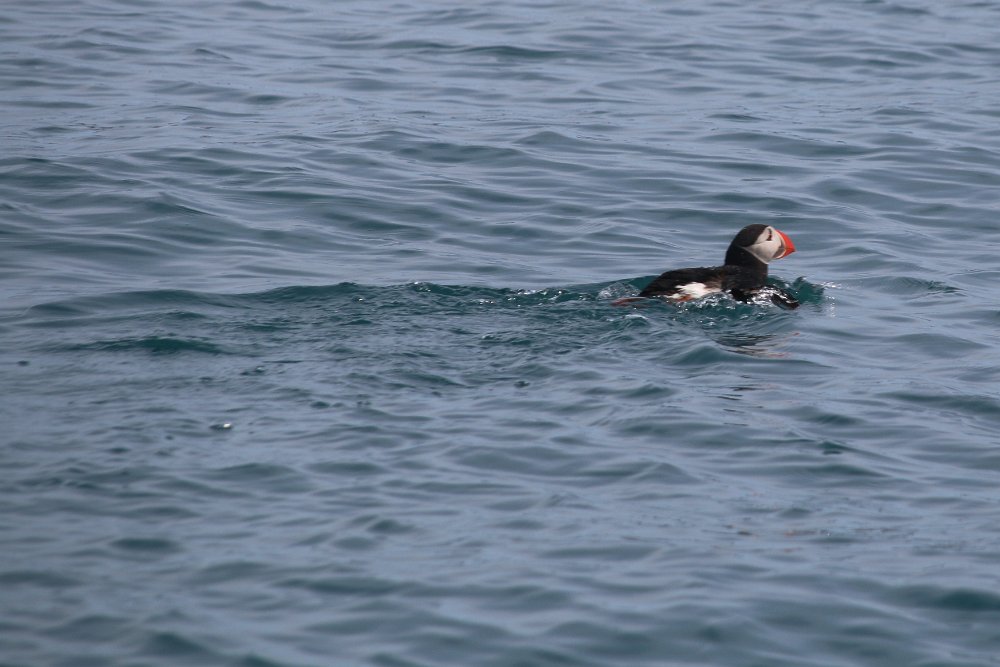
Puffins spend most of their lives out at sea, resting on the waves when not swimming. Their range spans the eastern coast of Canada and the United States to the…
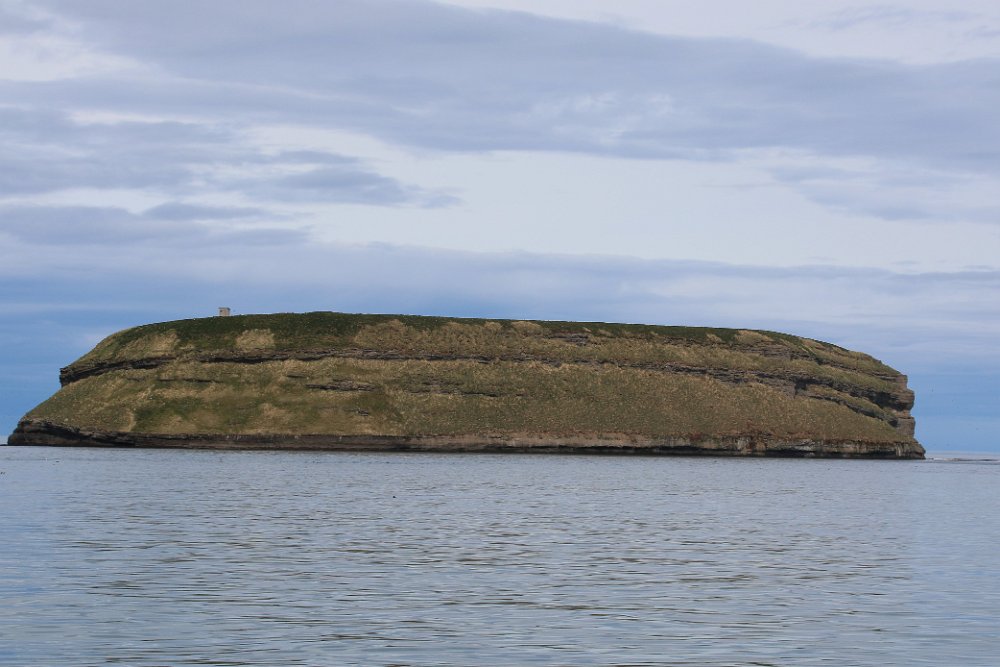
Iceland is, in fact, home to sixty percent of the world’s Atlantic Puffin population: over six million individuals. The fact that they nest in the same places…
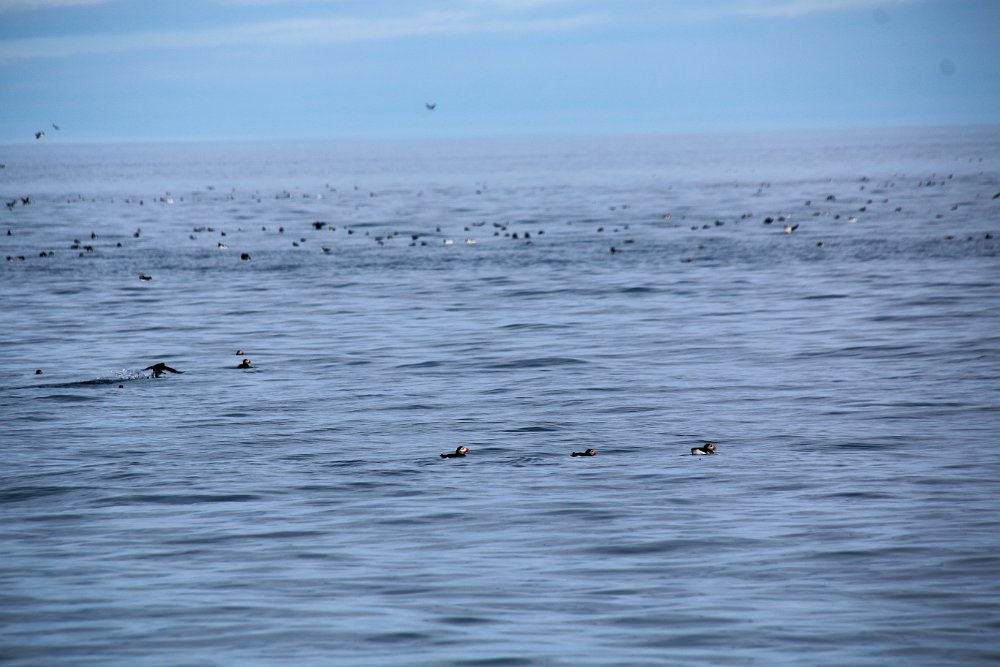
A puffin’s beak (or bill) changes colour during the year. In winter, the beak has a dull grey colour, but in spring it blooms with an outrageous orange! It’s…
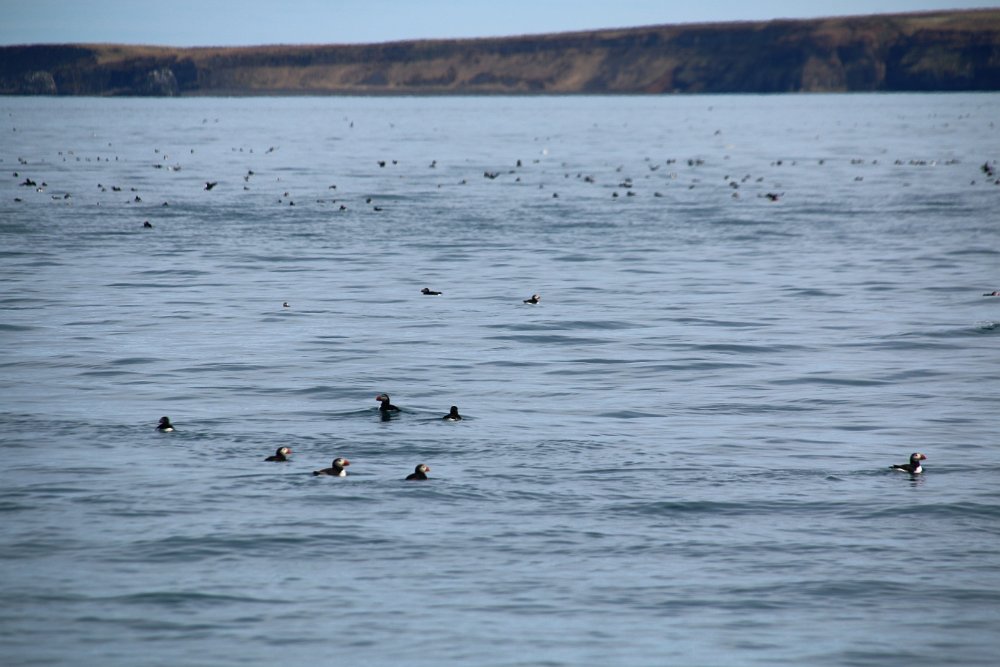
Puffins are carnivores and live off small fish such as herring, hake and sand eels.
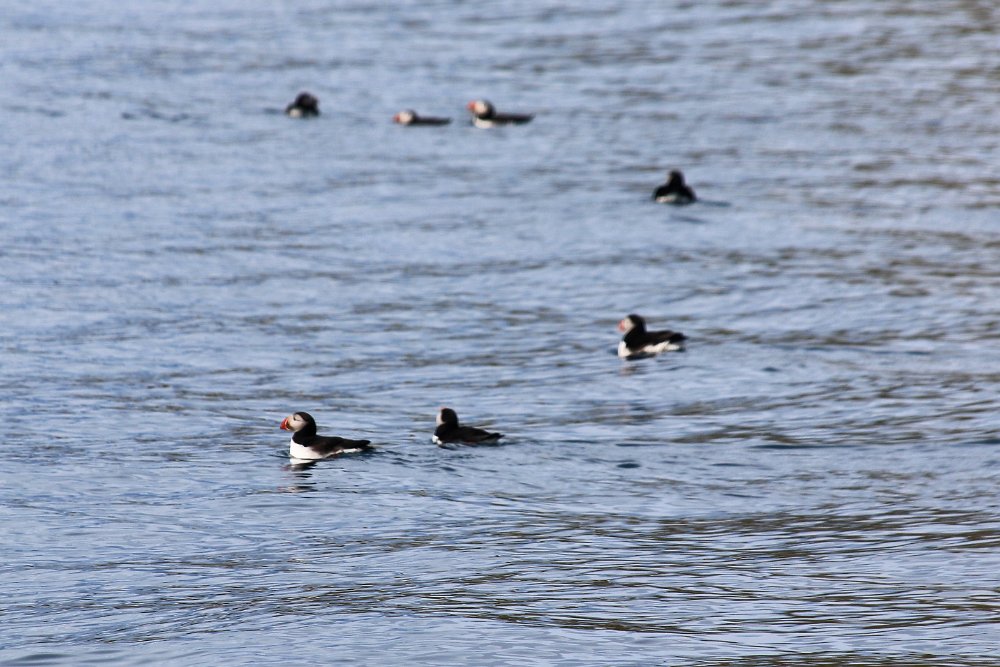
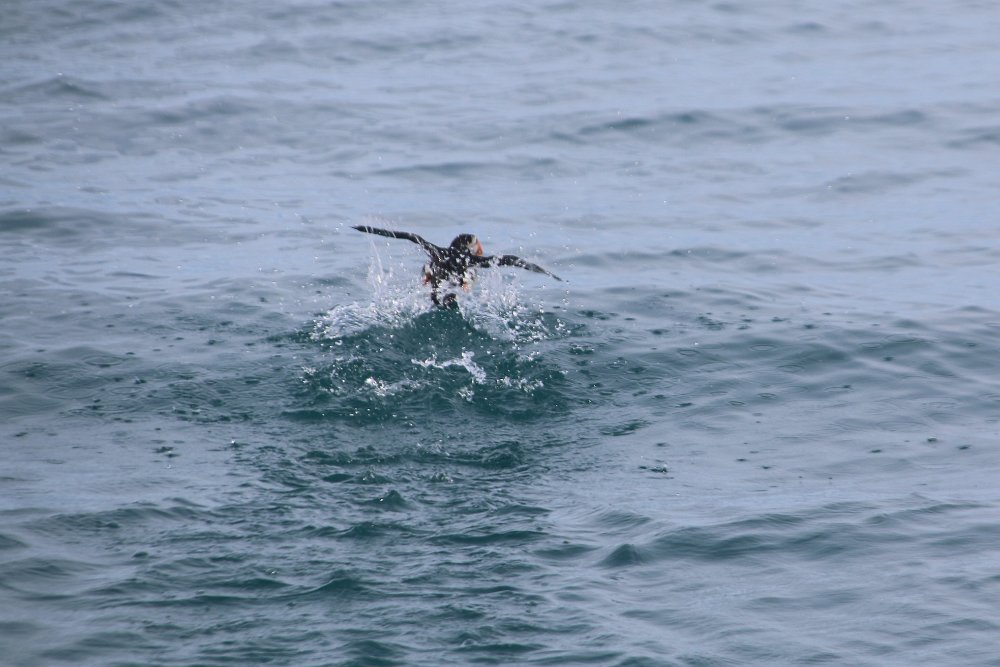
Puffins are fab flyers, flapping their wings up to 400 times a minute and speeding through the air at up to 88km an hour (55 mph).
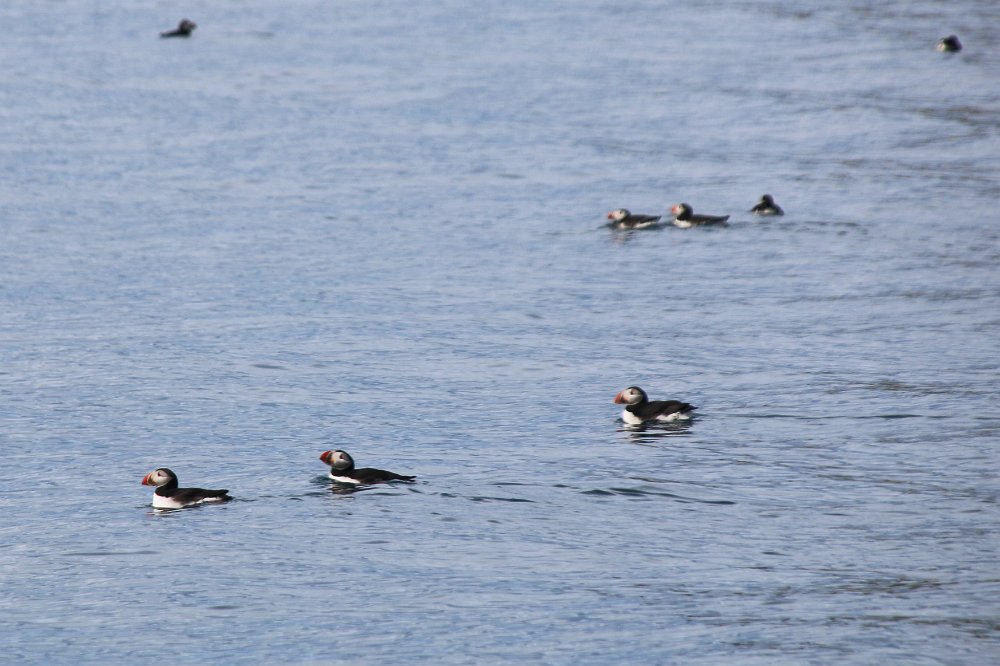
What’s more, these brilliant birds are great swimmers, too! Using their webbed feet as a rudder, puffins can dive down 60m (almost 200 feet) under water in…
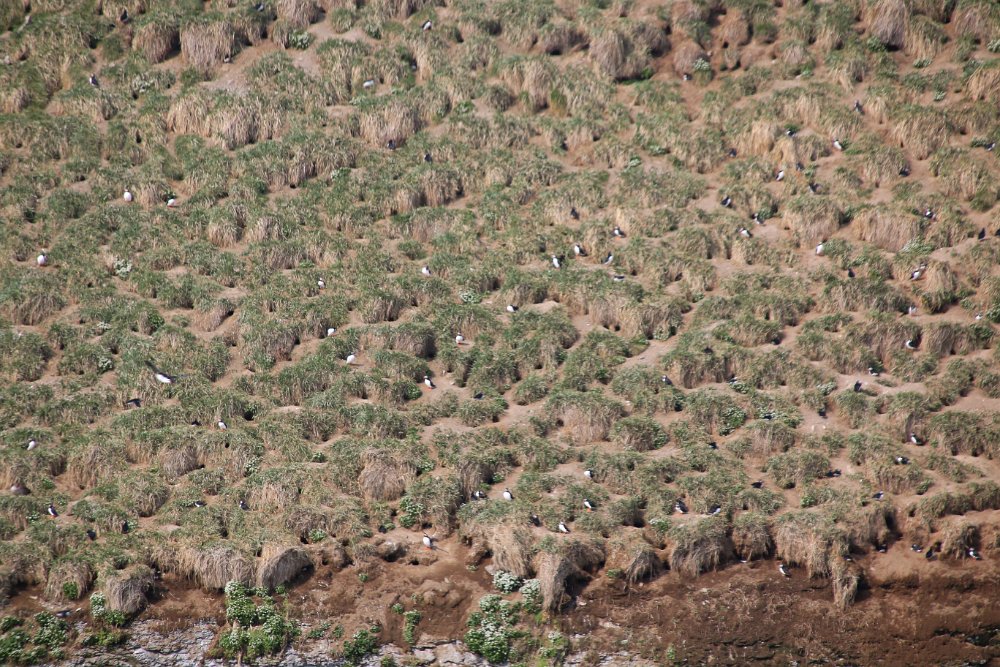
In spring and summer, thousands of puffins gather in colonies on the coasts and islands of the North Atlantic Ocean to breed. They usually pair up with the same…
When starting a puffin family, our feathered friends dig out a burrow using their sharp claws and beak, usually in a grassy bank or rocky crevice. At the back…
In the wild, these winged wonders live for around 20 years. Their main predators are hungry gulls, which can snatch puffins mid-flight or swoop down and scoop…
Although puffins are not classed as an endangered species, populations in some places are in decline. The main threats are overfishing, which can lead to a…
The English name "puffin" – puffed in the sense of swollen – was originally applied to the fatty, salted meat of young birds