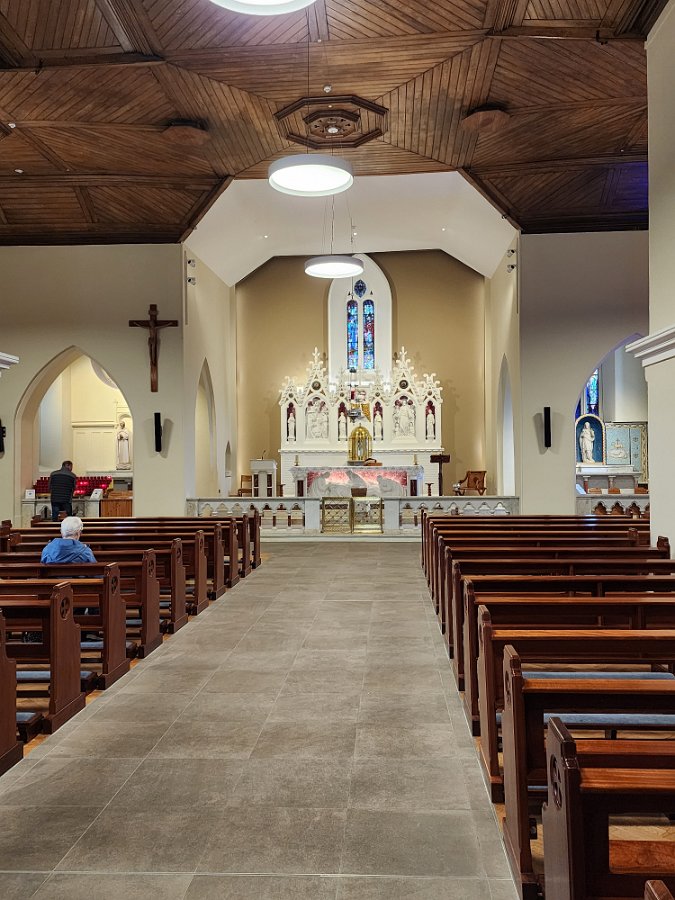
The Sanctuary of Our Lady of Knock, commonly referred to as Knock Shrine, is a Roman Catholic pilgrimage site and national shrine in the village of Knock,…
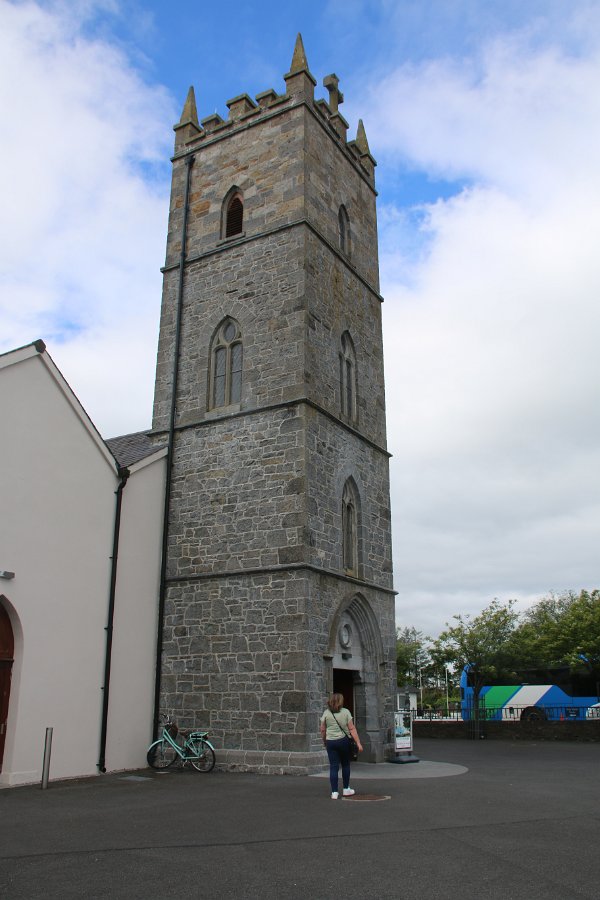
The complex incorporates five churches including the Apparition Chapel, Parish Church and Basilica, a Religious Books' Centre, Caravan and Camping Park, Knock…
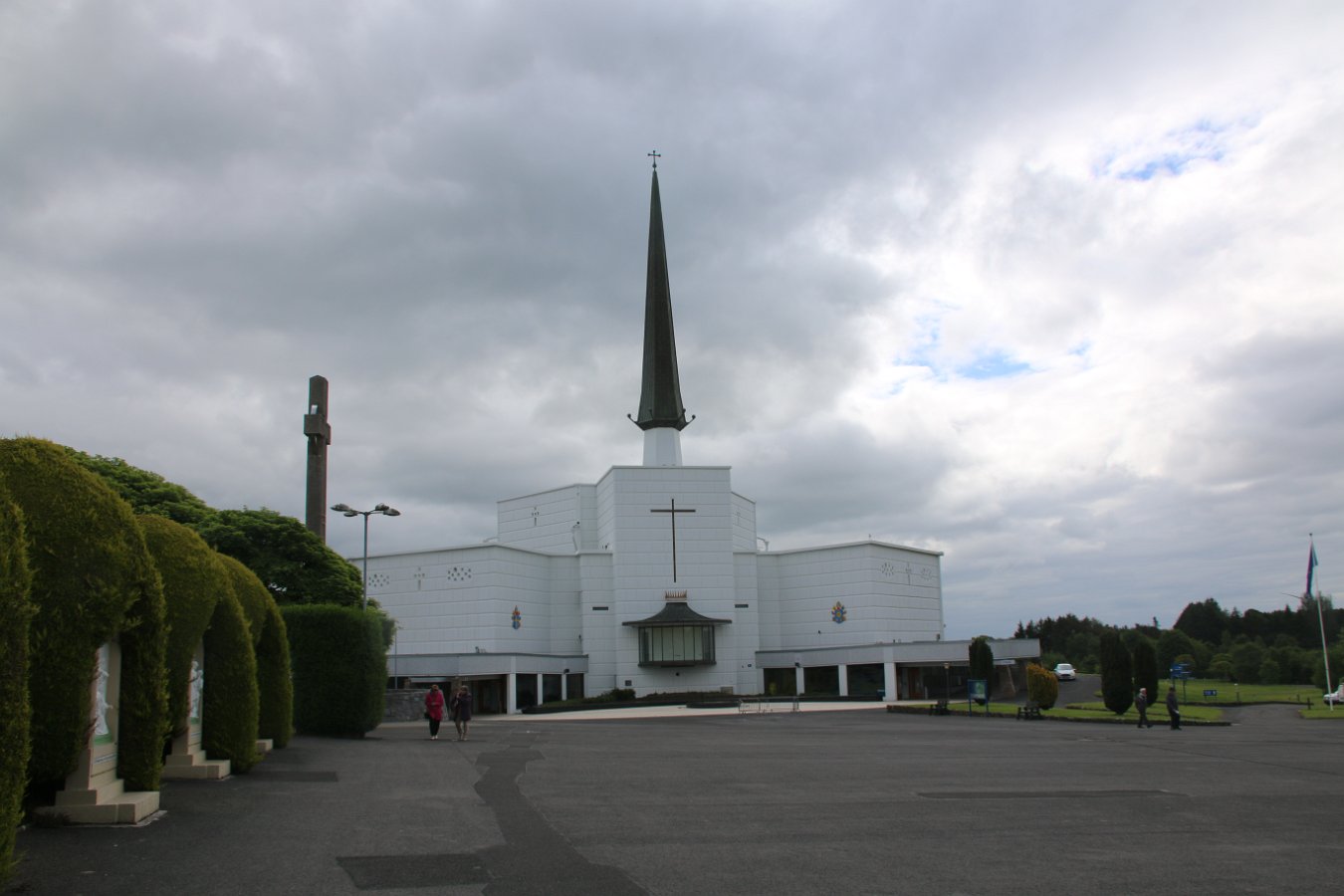
The Knock Basilica
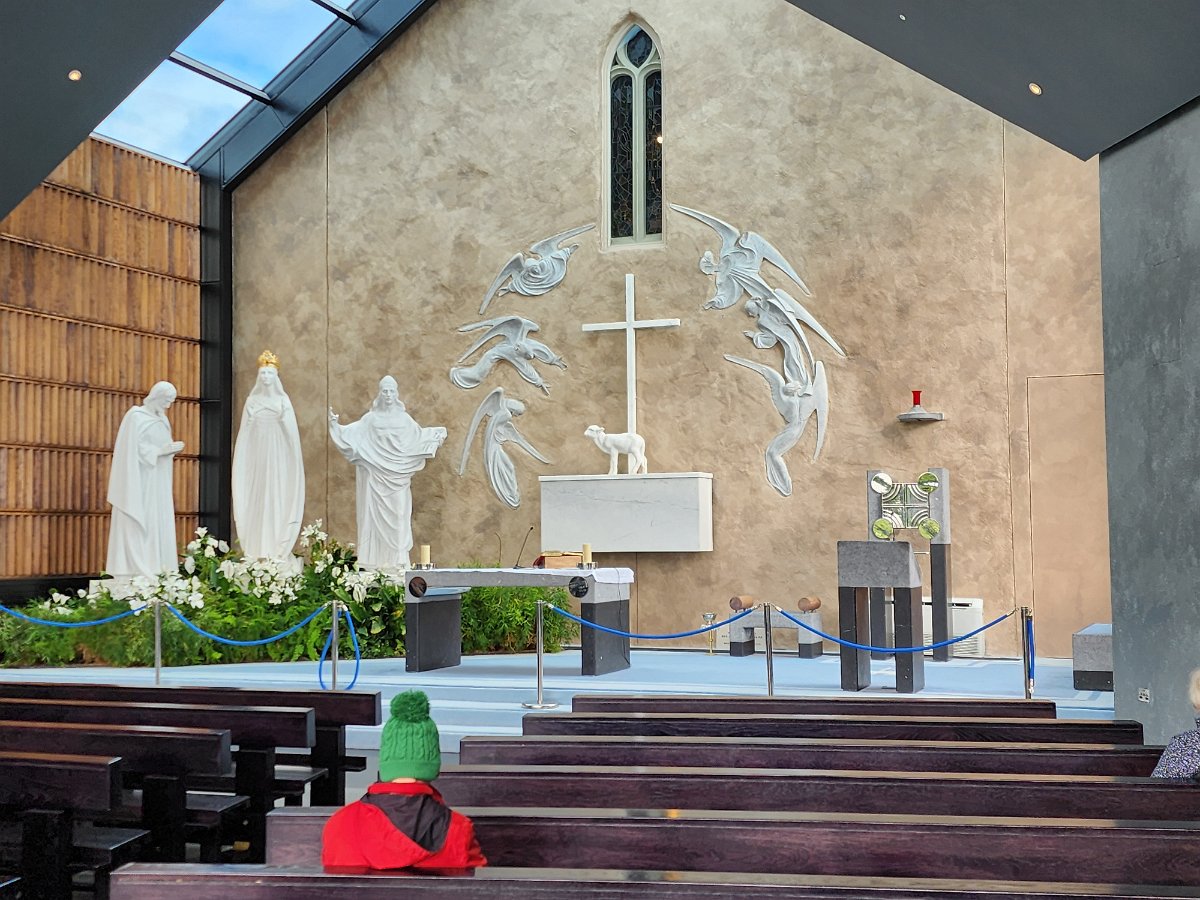
People who claim to have been cured at Knock still leave crutches and sticks at the spot where the apparition is believed to have occurred.
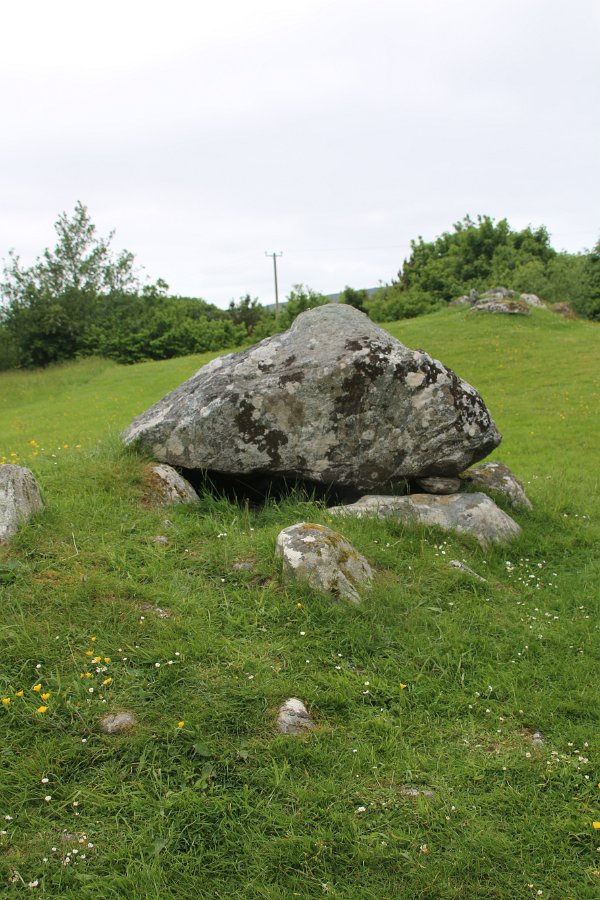
Carrowmore Megalithic Cemetery with 60 recorded monuments, is the largest and only large coastal megalithic cemetery within the Irish passage tomb tradition.…
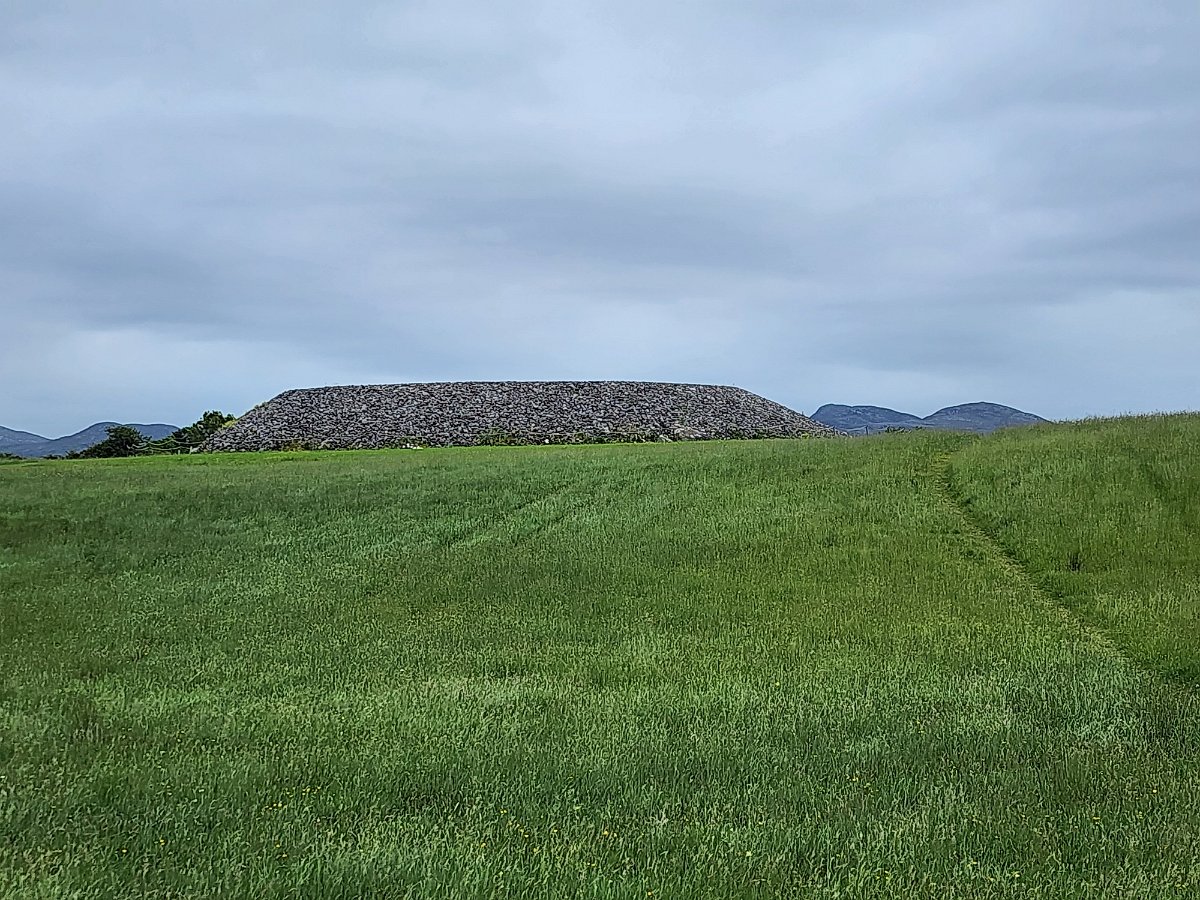
Carrowmore Megalithic Cemetery - the monuments are spread over an area of about 3280 feet x 1968 feet. Within this undulating landscape, the maonuments are…
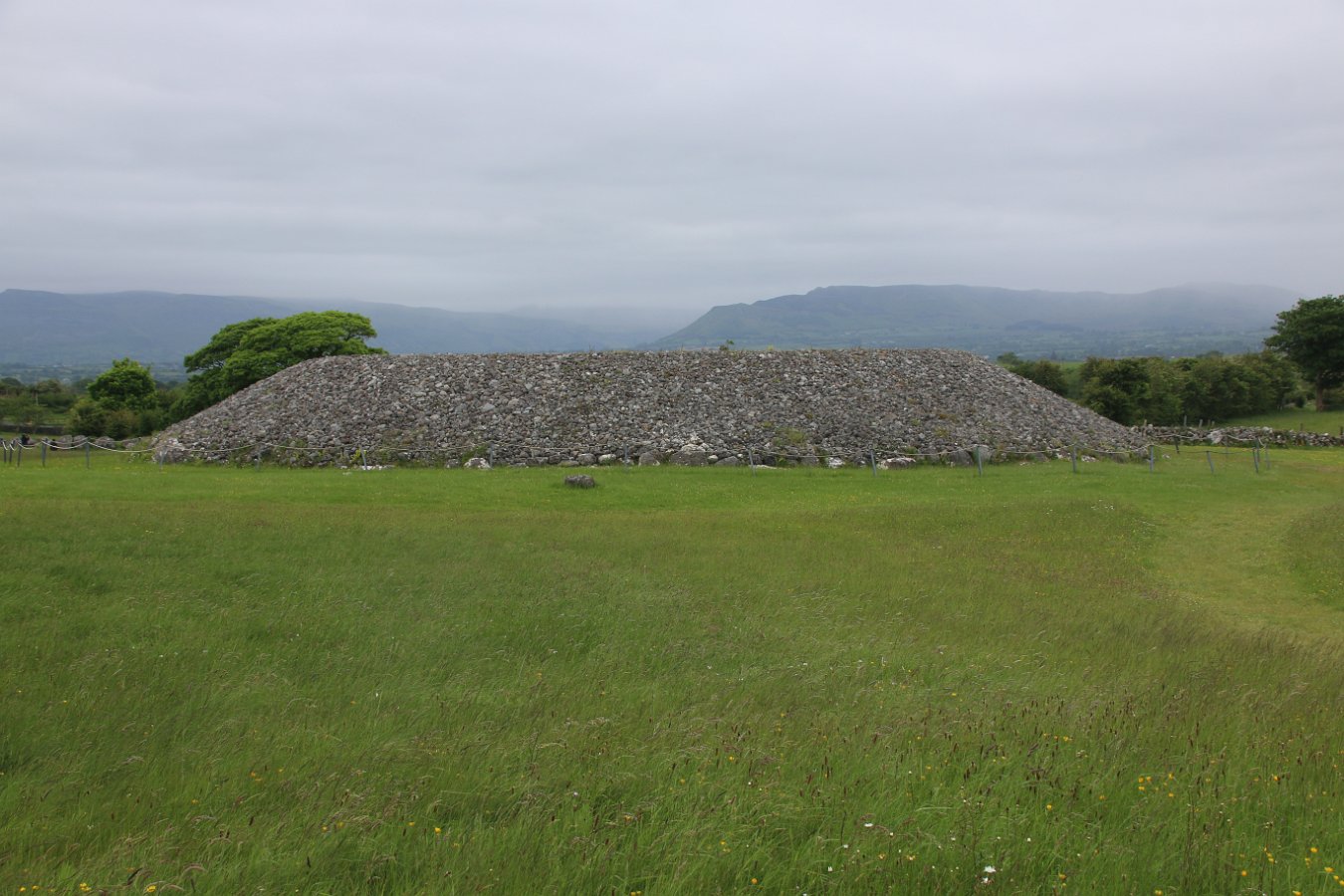
Carrowmore Megalithic - One of the most important pieces of folklore explains how the Carrowmore monuments were created. Local folklore has it that the…
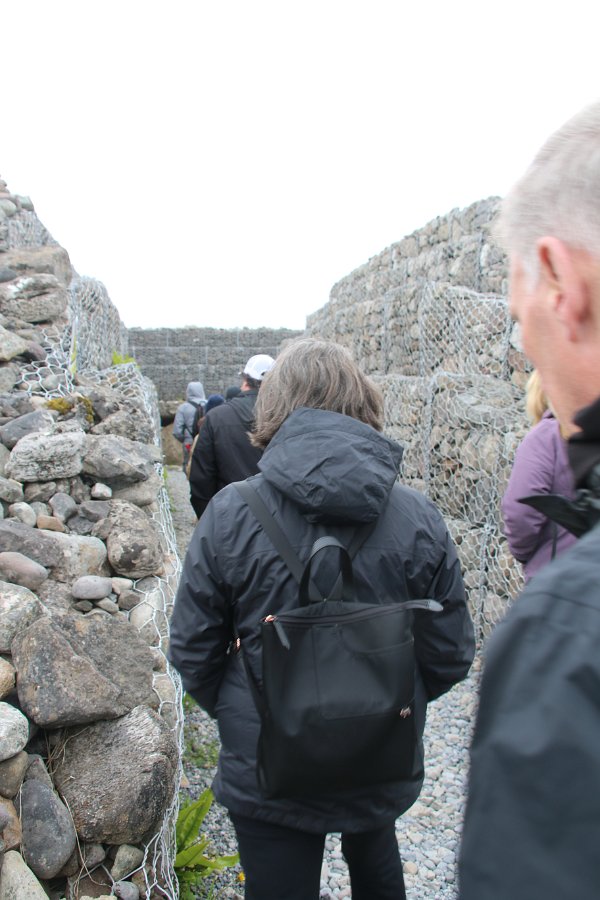
Carrowmore Megalithic Cemetery - Listoghil (or tomb 51), which was erected c. 3500 BC, is 112 feet in diameter and has a distinctive box-like chamber.
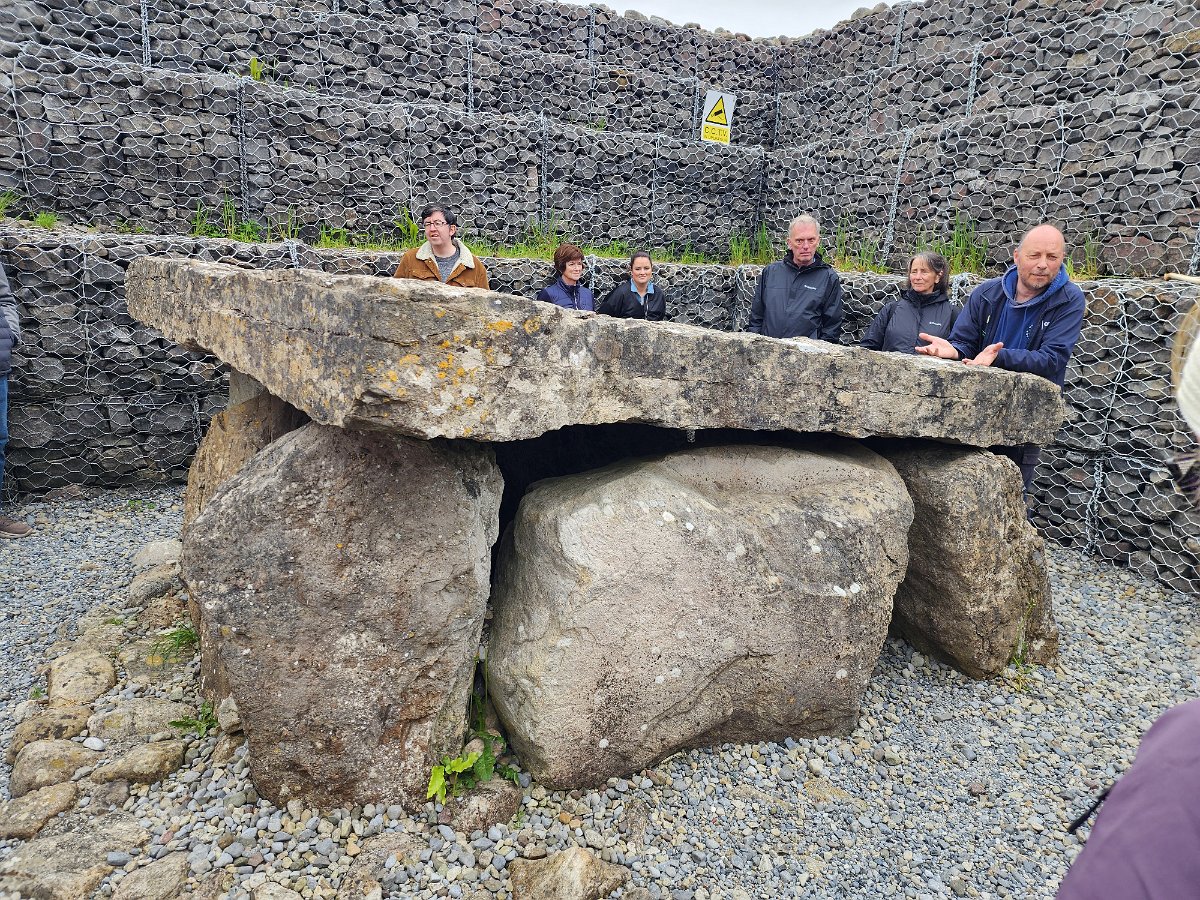
Carrowmore Megalithic Cemetery - passage tombs, consisting of a burial chamber covered with earth and attached to a passage made of large stones, and dolmens,…
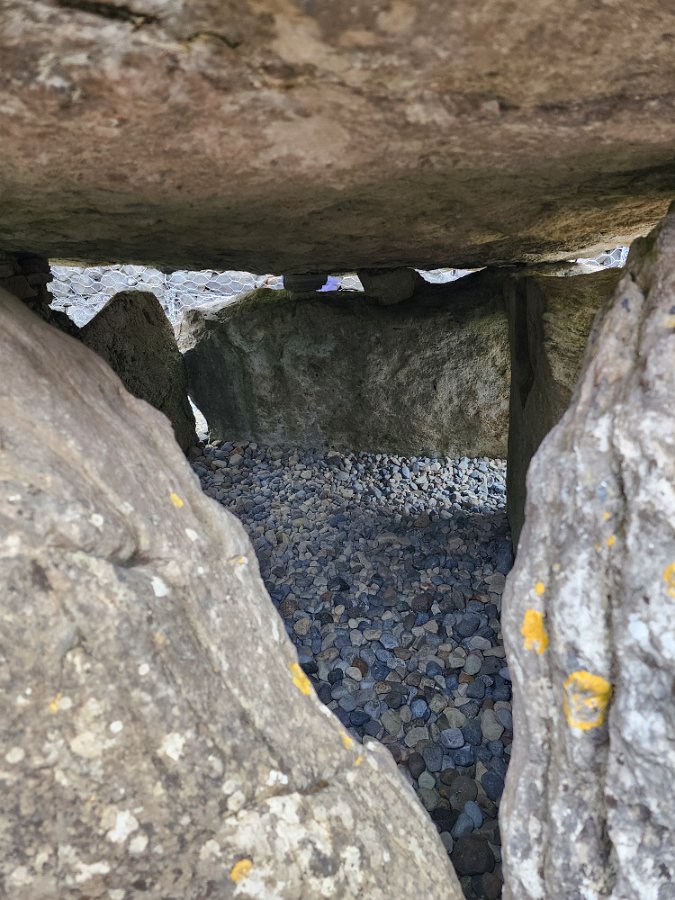
Carrowmore Megalithic - a peak inside of Listoghil dolmen
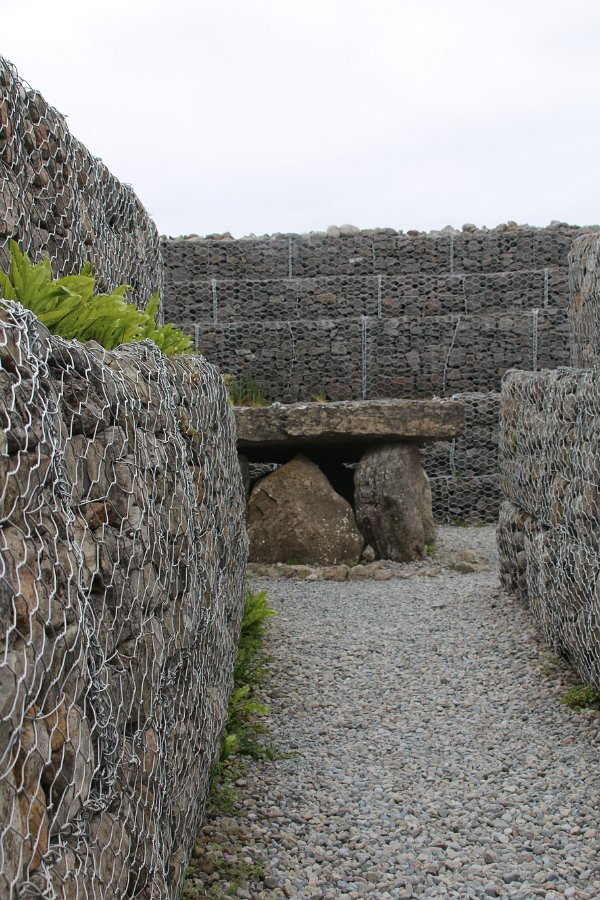
Carrowmore Megalithic Cemetery - Listoghil entrance passageway.
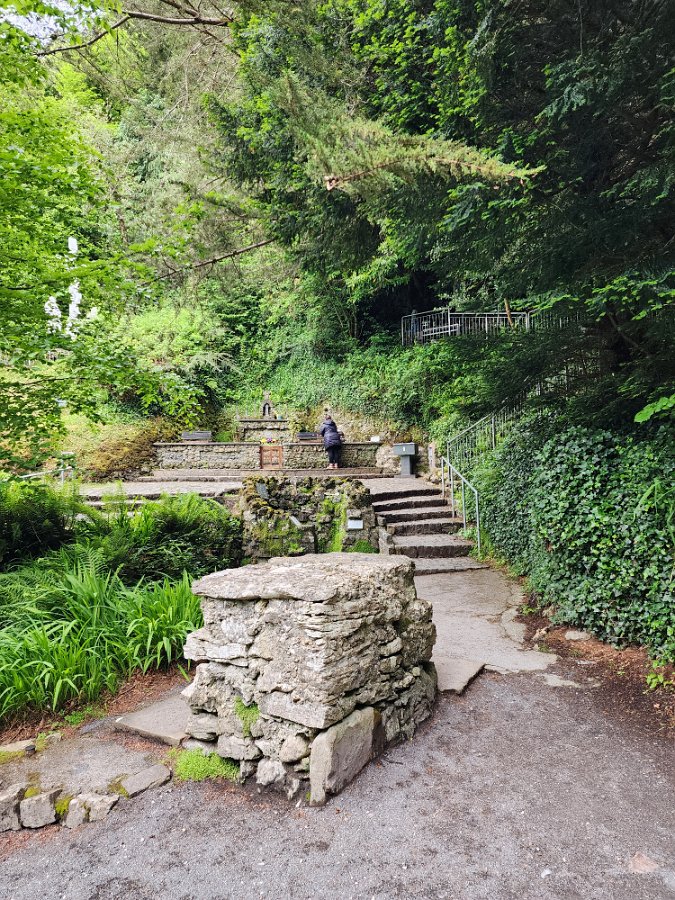
Tobernalt Holy Well - Tobernalt is a holy well in north County Sligo, Ireland near the southwest corner of Lough Gill. It is an ancient natural spring dating…

Tobernalt Holy Well - Masses are conducted at the site. The devoted from surrounding counties and elsewhere make pilgrimages to the site on Garland Sunday when…
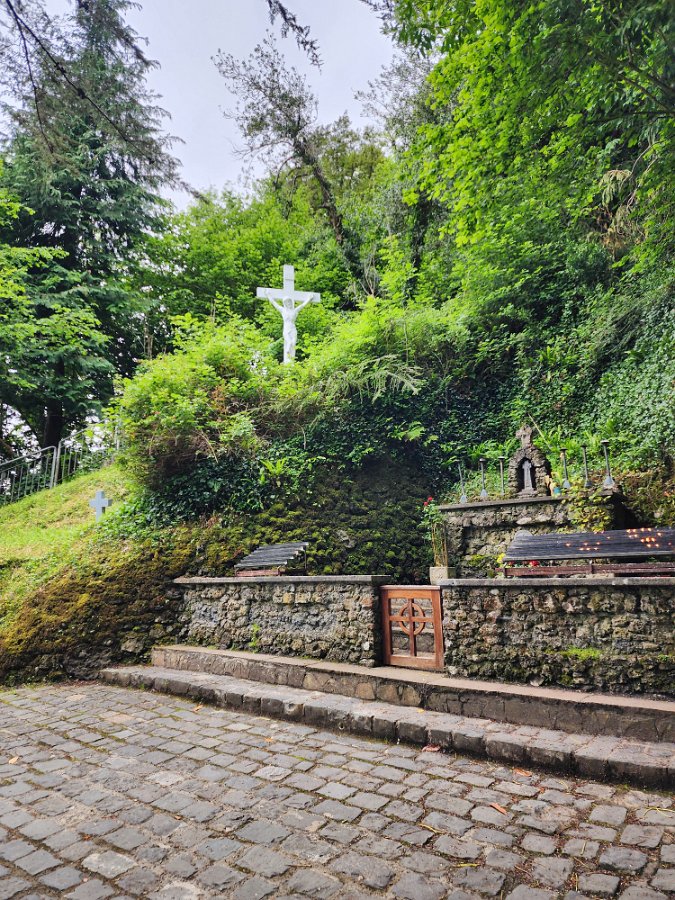
Tobernalt Holy Well - Tobernalt rises from under the cliff at Carns Hill—and so the site gets its name—Tober an Alt means the Well of the Cliff.
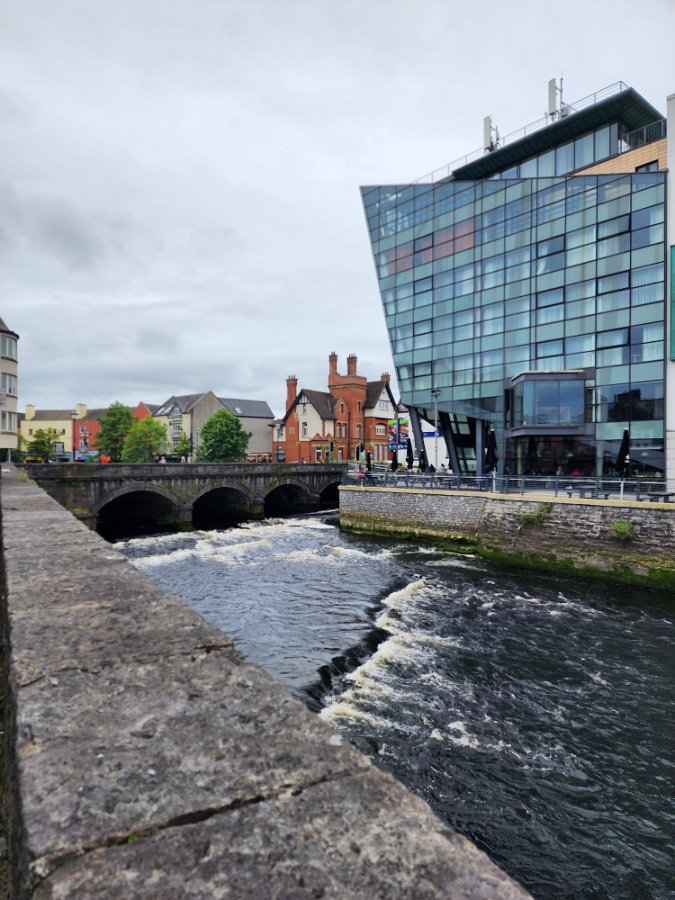
Our lunch stop is The Glass House on the Garavogue river.
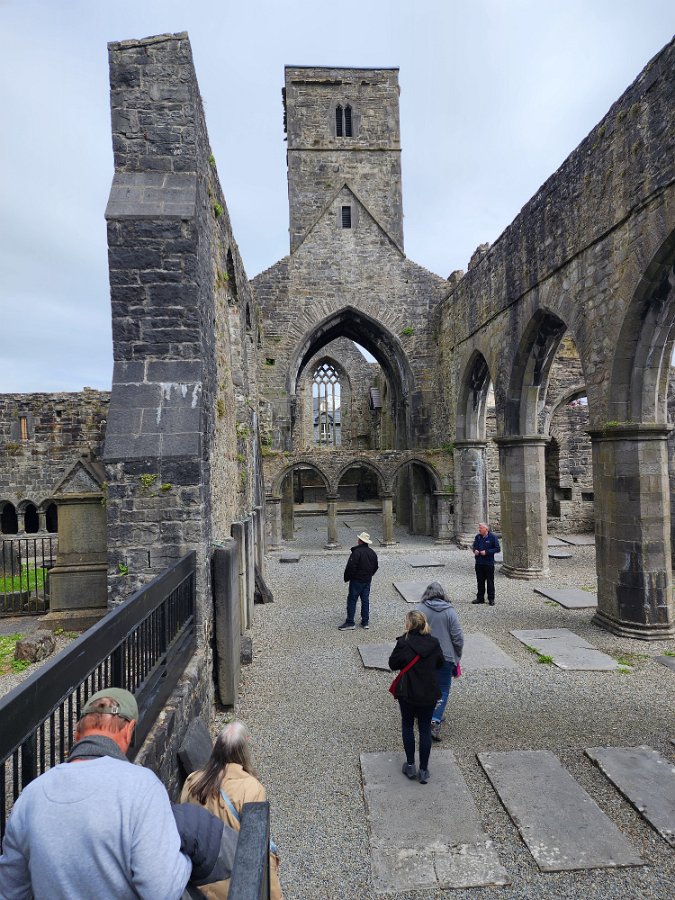
The Dominican priory known as Sligo Abbey has dominated Sligo's eastern district since the town was founded in the mid-thirteenth century. Large parts of the…
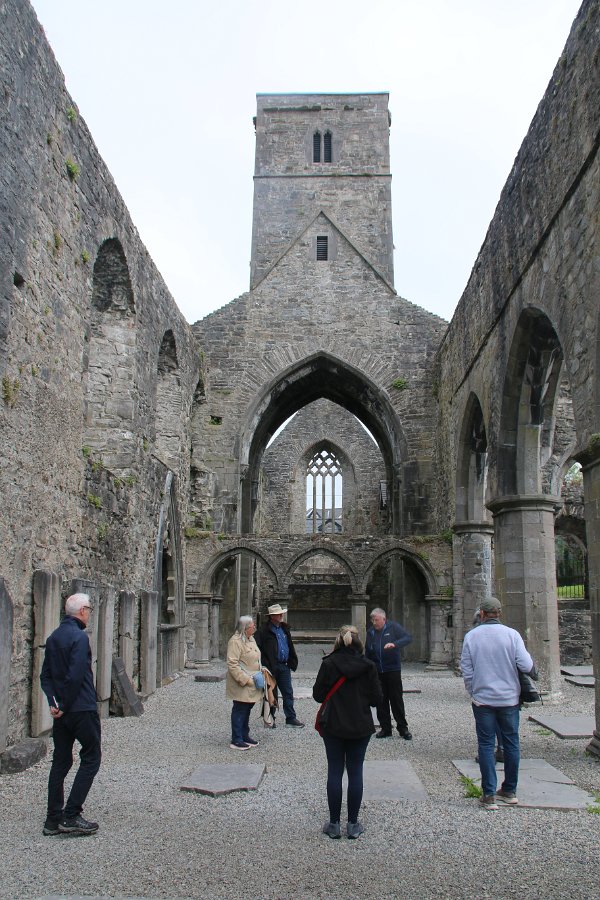
The Abbey has endured many calamities, including an accidental fire in 1414, the dismantling of a substantial wooden cross for use a battering ram during a…
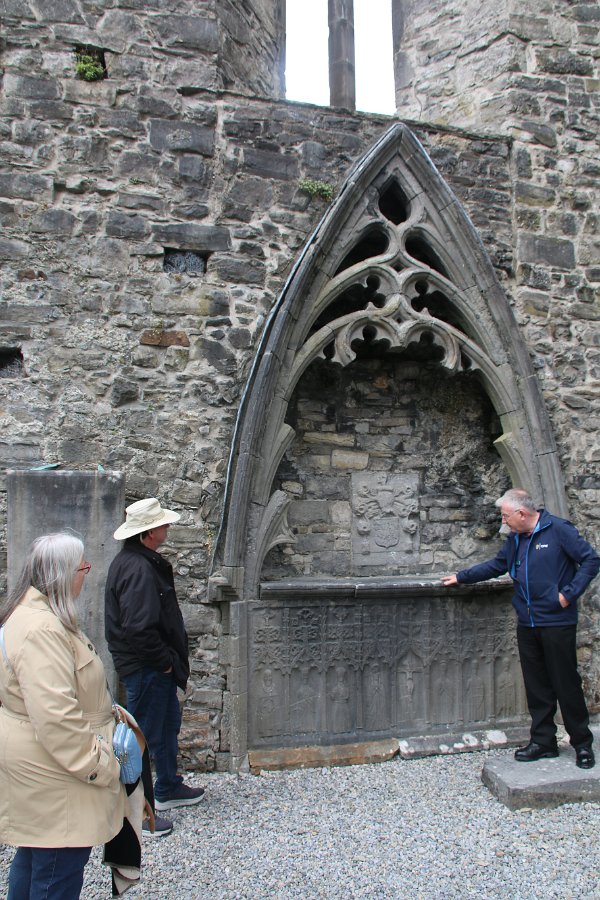
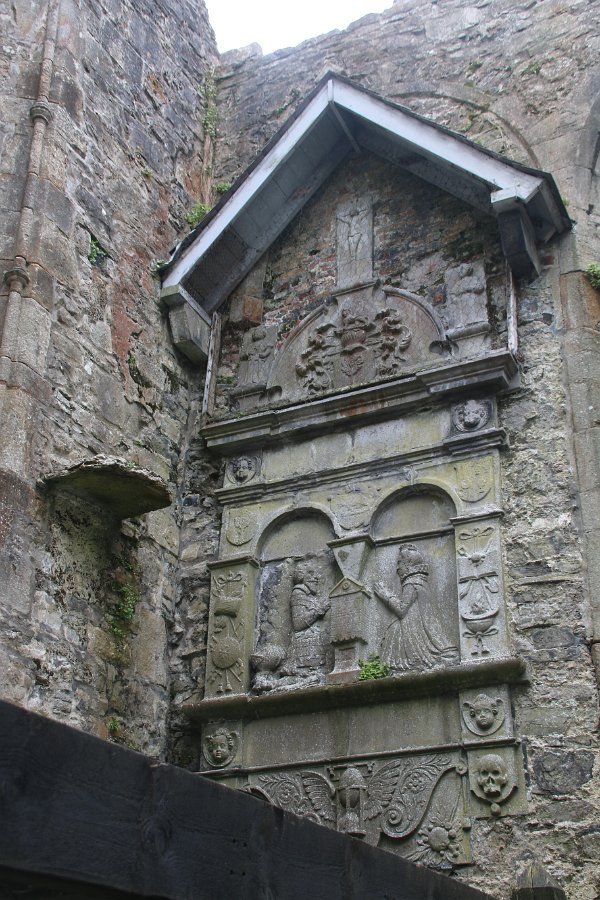
Despite the ravages of history, the Abbey retains a great wealth of carvings, including Gothic and Renaissance monumental sculpture, the well-preserved cloister…
The name "Sligo Abbey" is the generally accepted traditional name, but strictly speaking "abbey" is inappropriate as Dominican monasteries are led by priors not…
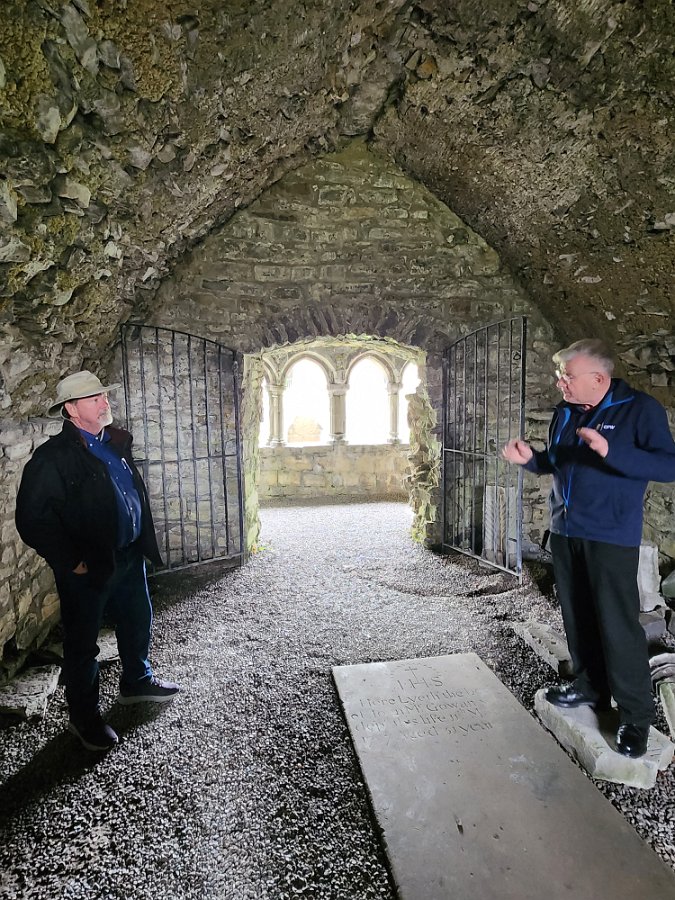
The abbey ruins consist of the walls of the church, inclusive those of the tower, three sides of the cloister, and remains of the sacristy, the chapter room,…