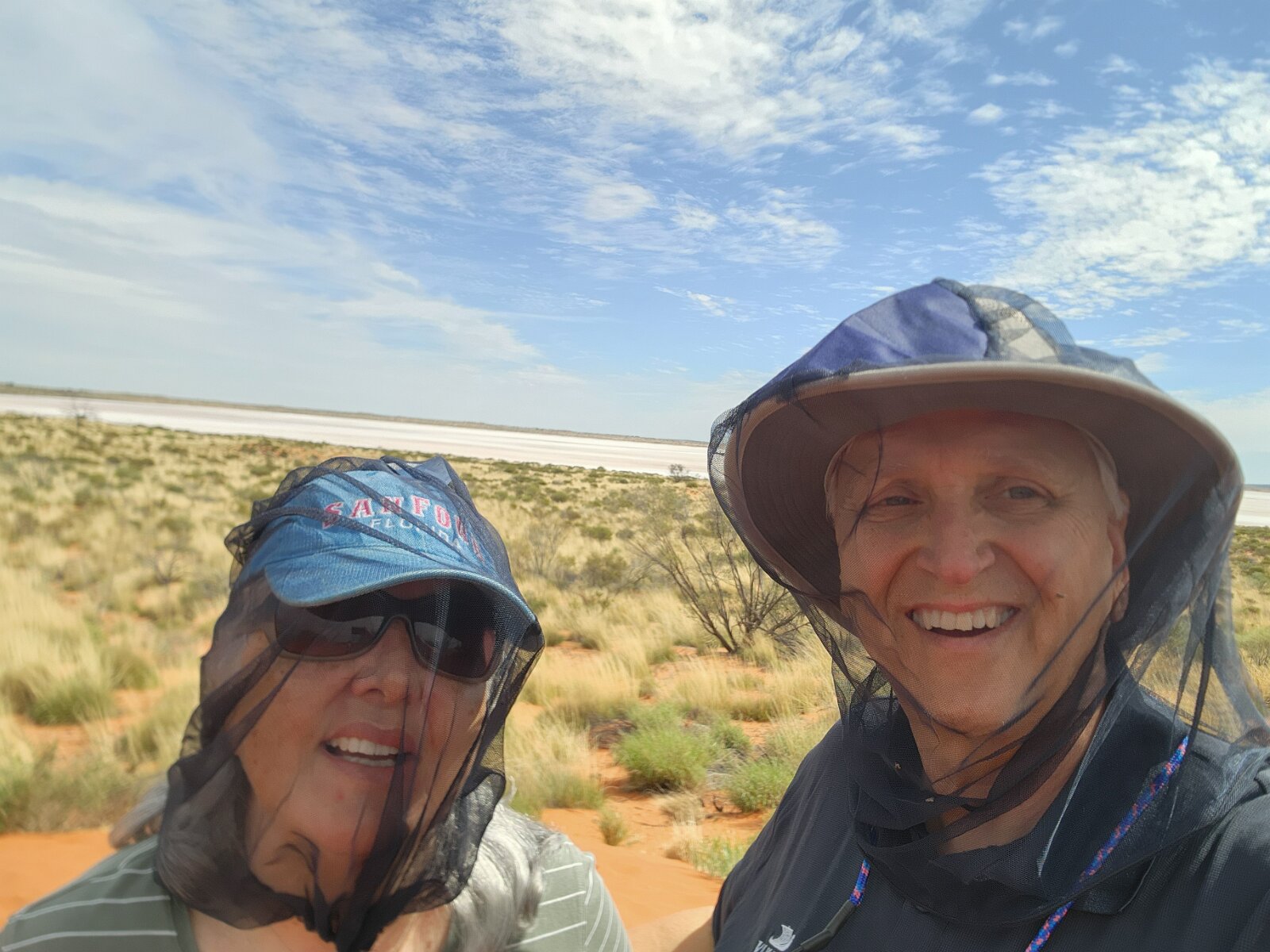
We start our day with a 5 hours bus ride from Alice Springs to Uluru (Ayers Rock). At the Mount Conner Lookout are Sharon and Ken in front of a salt lake called…
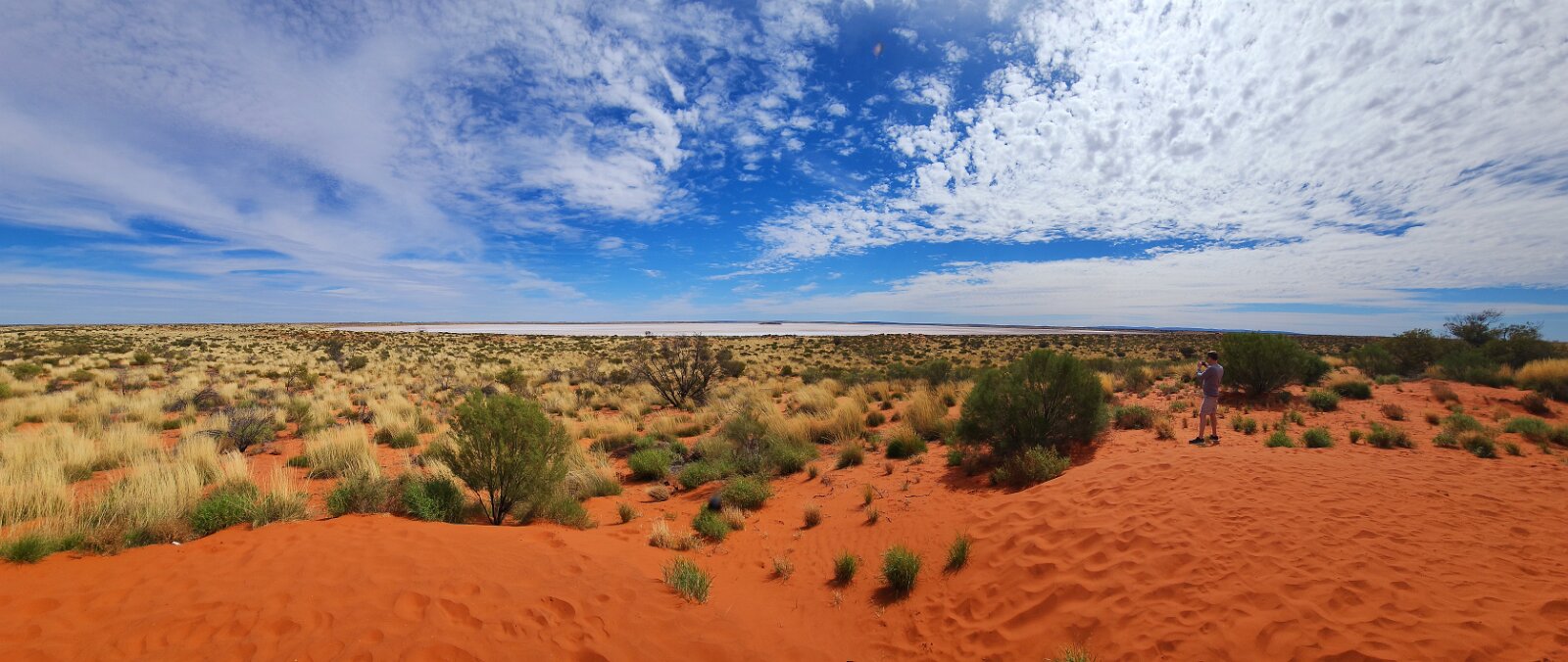
Due to the aridity of the area, the surface of Lake Amadeus is usually a dry salt crust.
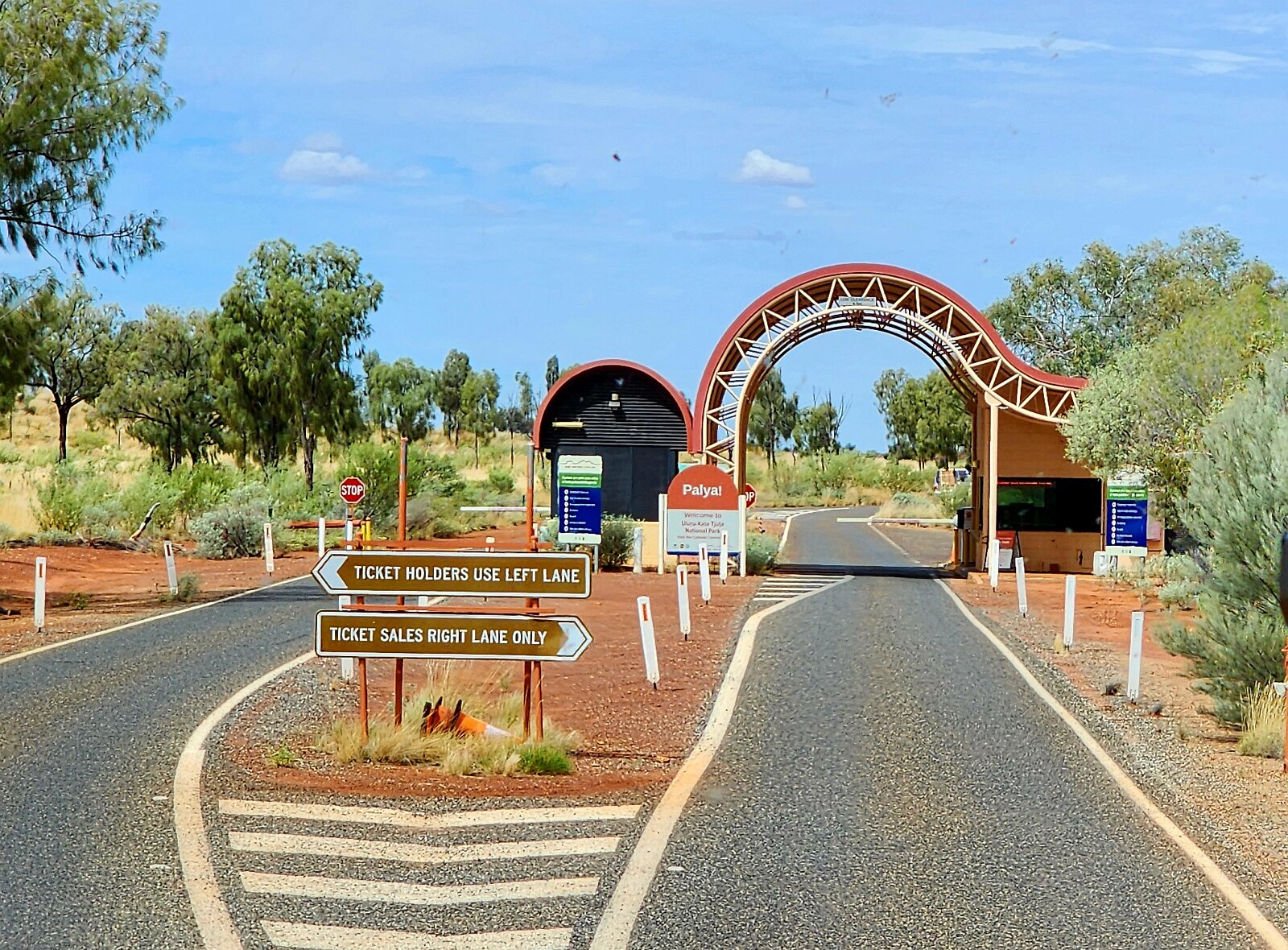
This is the entrance to Uluṟu-Kata Tjuṯa National Park in Australia's Northern Territory.
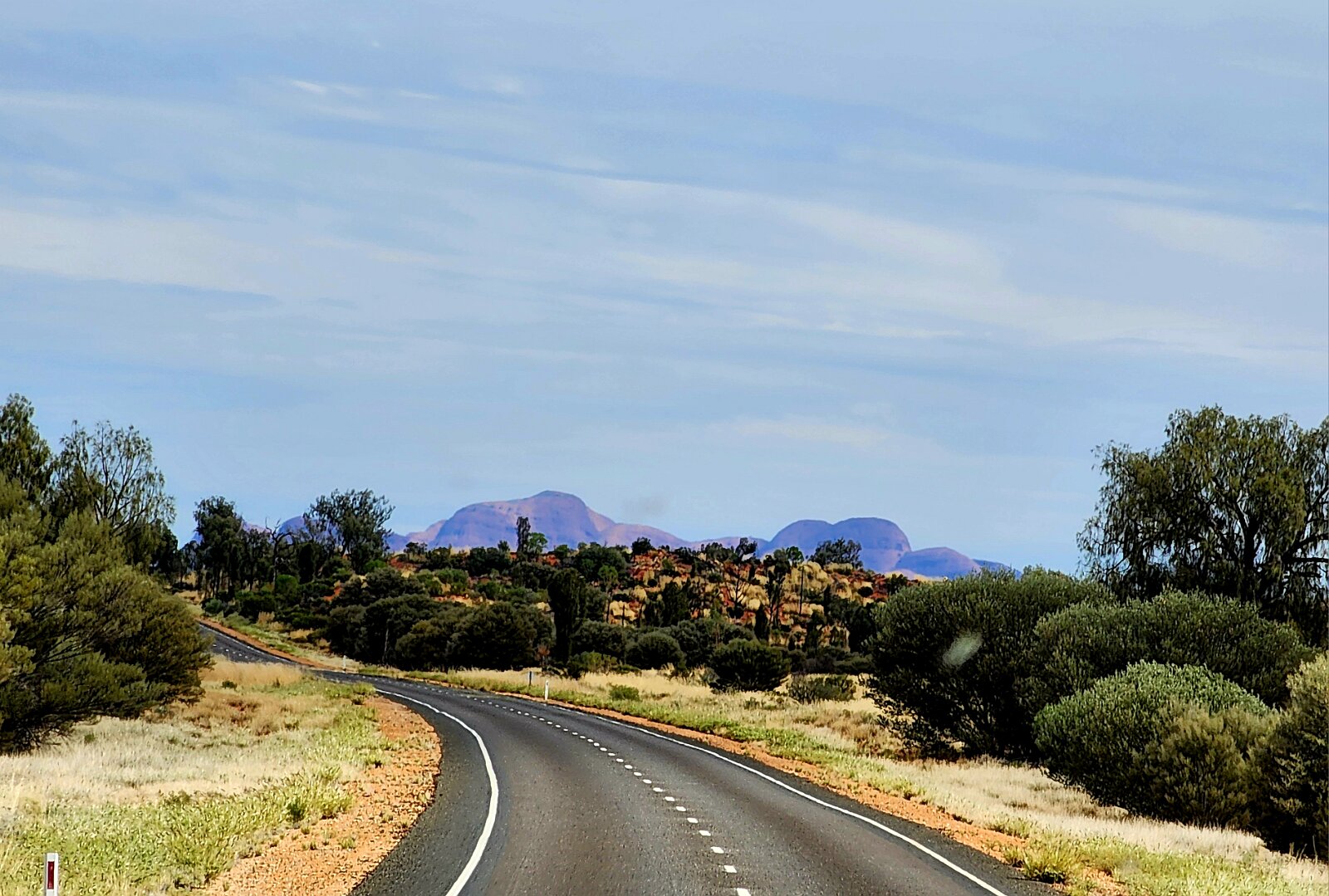
Driving into the park you begin to see the Kata Tjuta which means "many heads" in the local Pitjantjatjara Aboriginal language, accurately describing the 36…
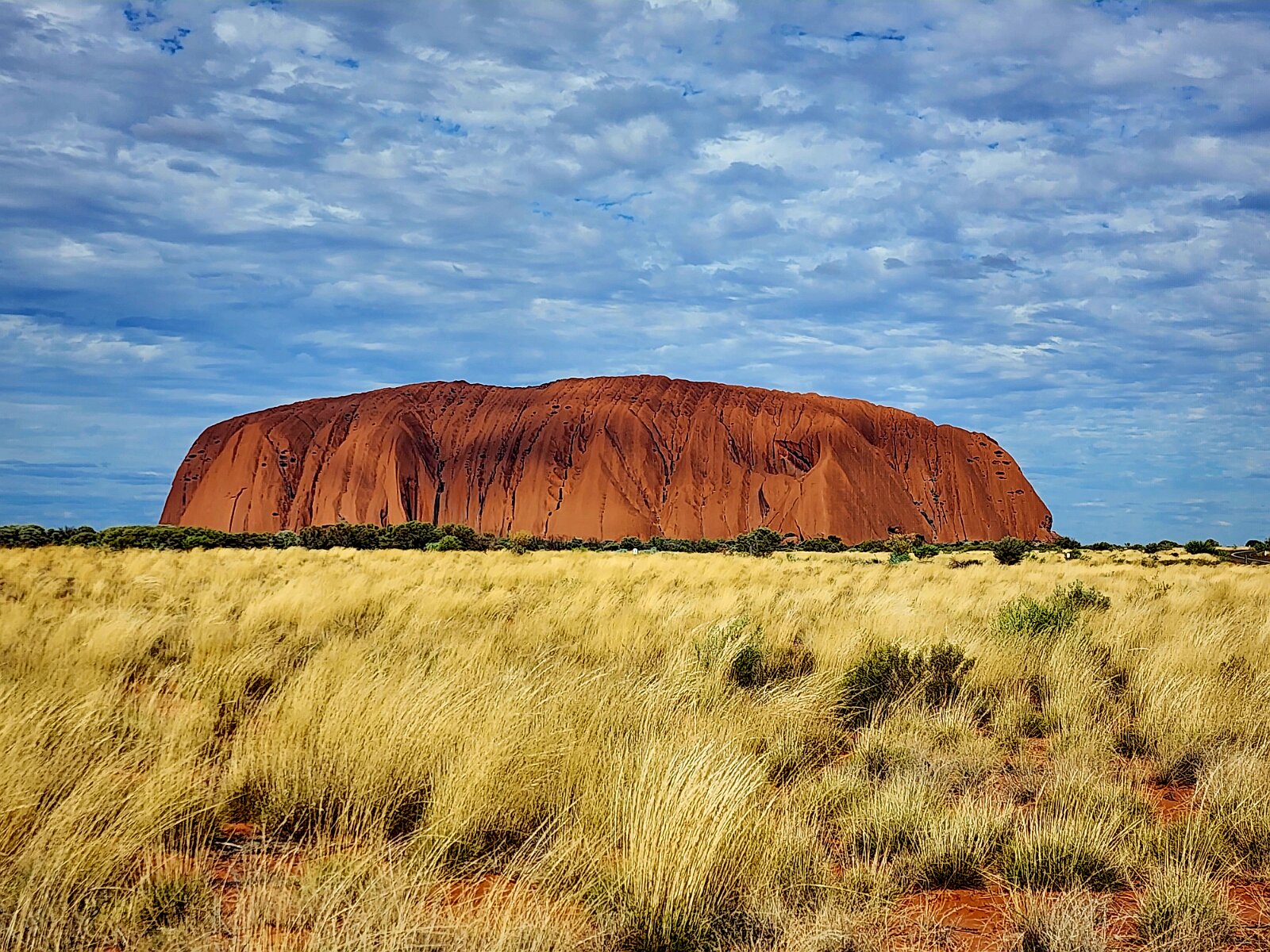
This is Uluru (Ayers Rock) which is a large sandstone monolith that rises to an elevation of 348 m (1142 feet) and has a circumference of 9.4 km (5.8 miles).
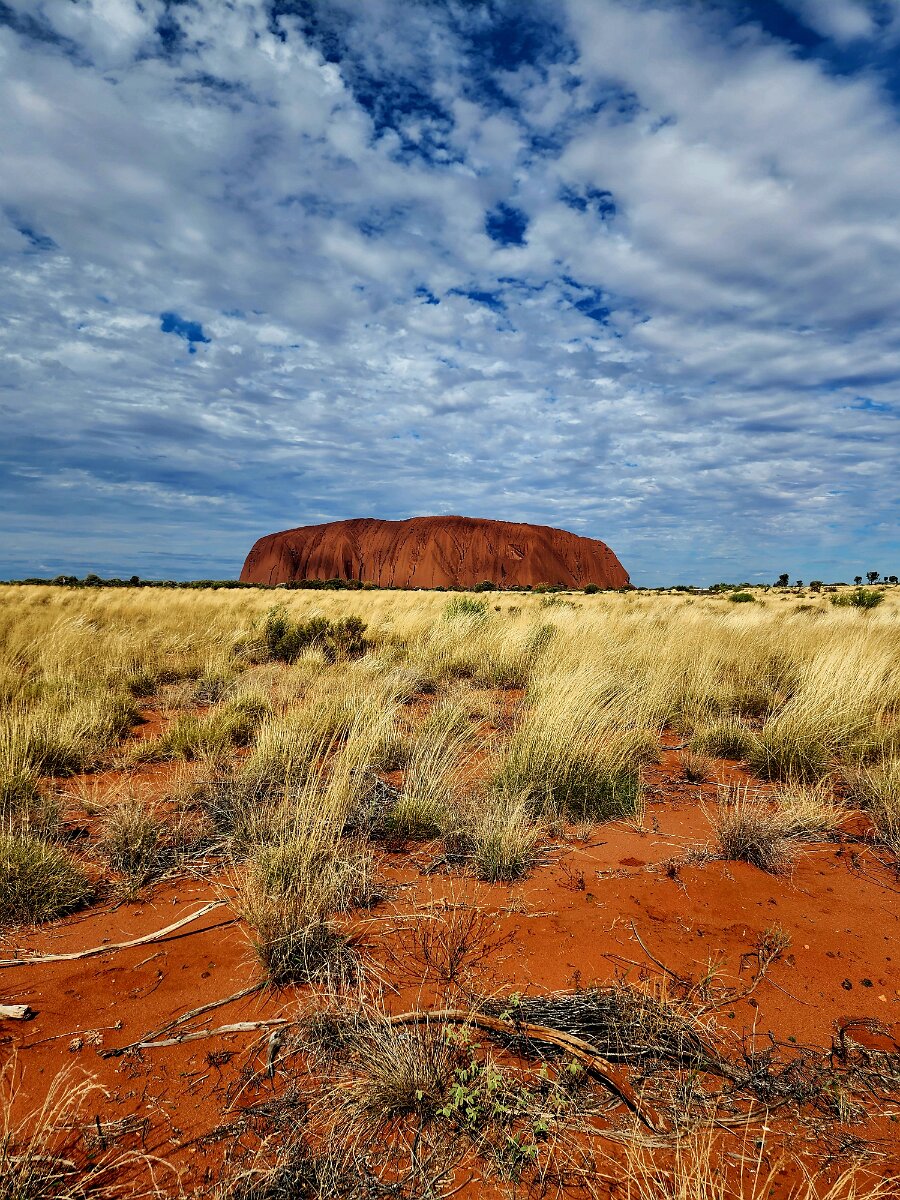
This giant rock changes hues depending on the sun’s position, specifically at dawn and dusk.
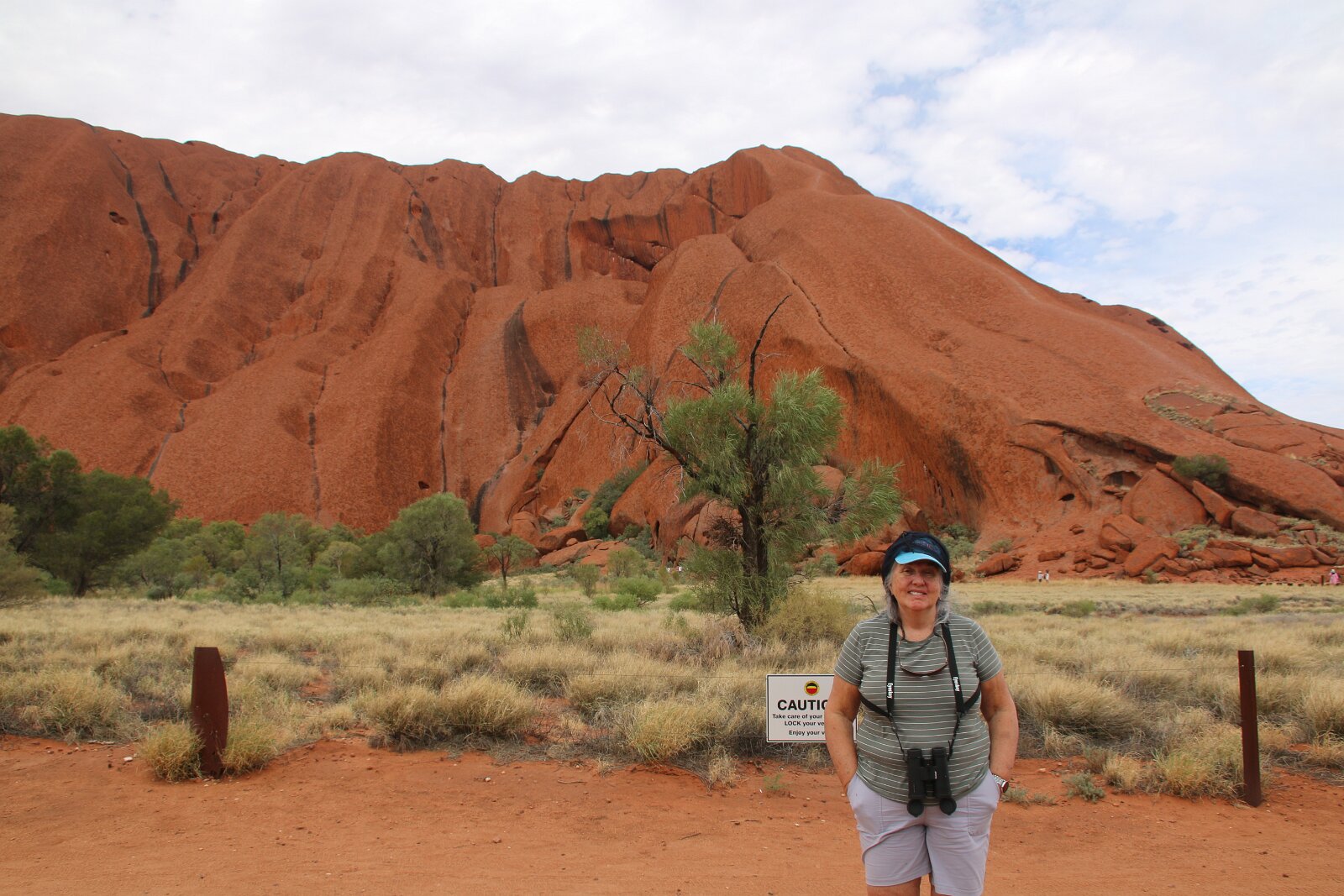
Sharon braves a moment without the fly net in front of a corner of Uluru.
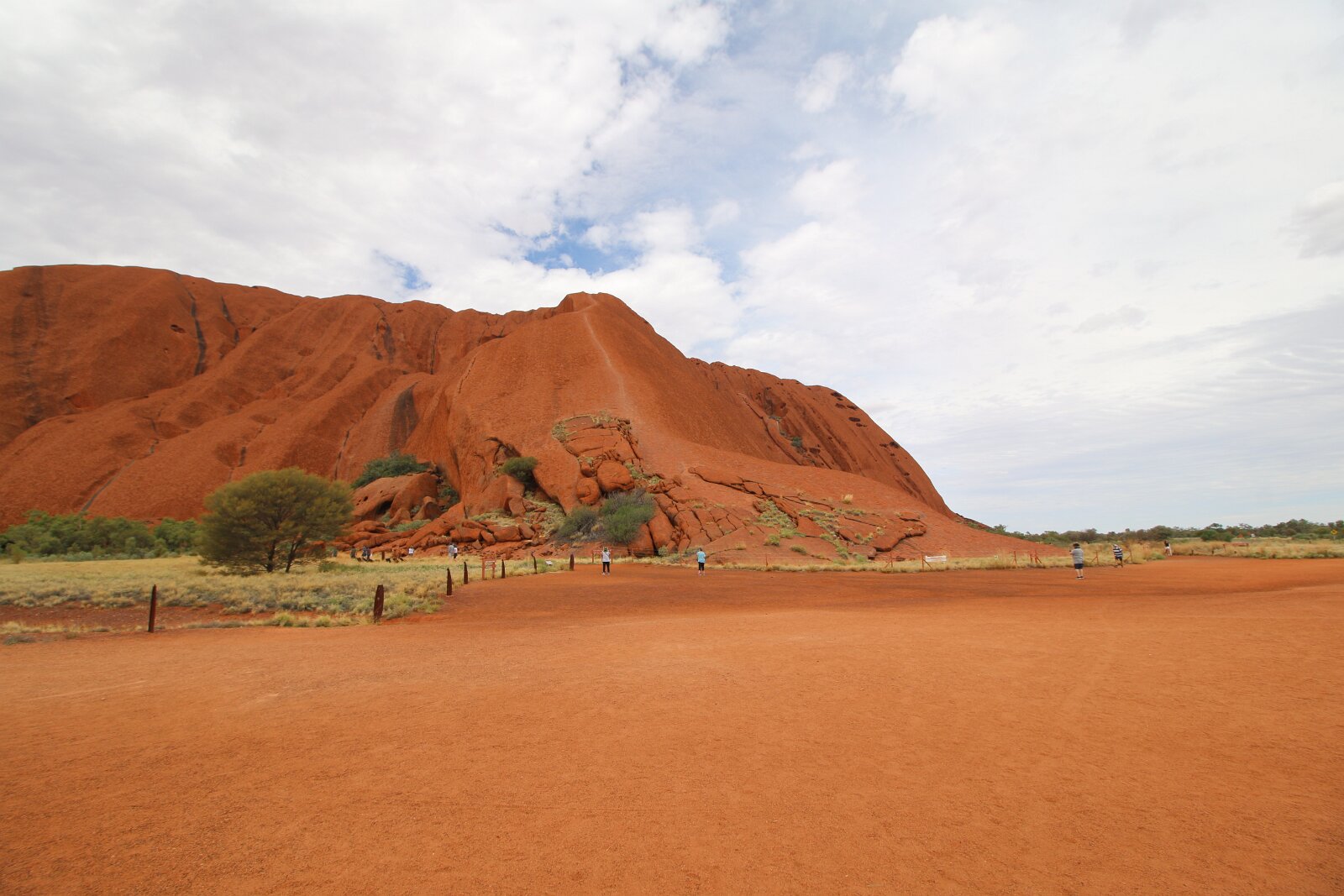
Geological studies have revealed that approximately 500 million years ago, the entire National Park area was mostly covered by an inland sea. With time, both…
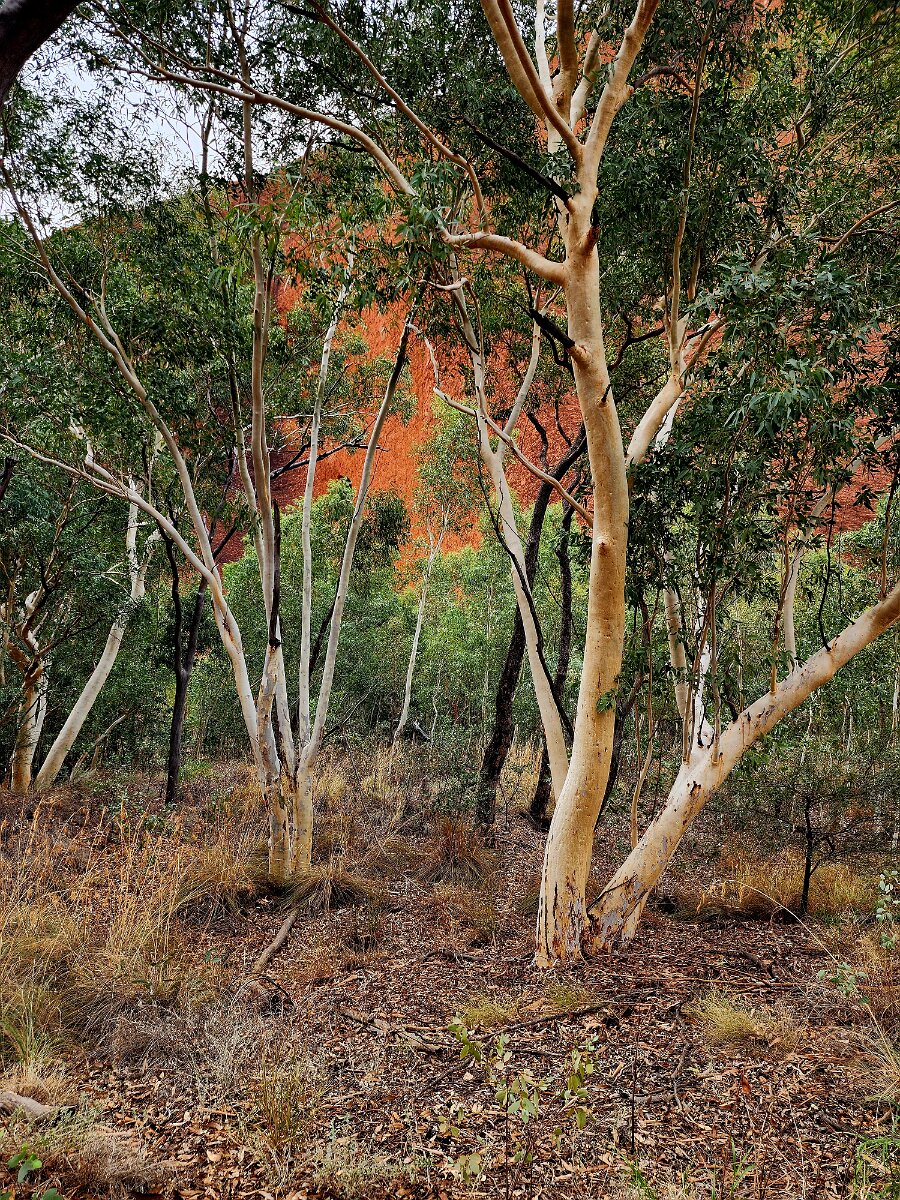
Some of the paths around Uluru took you through groves of Eucalyptus trees.
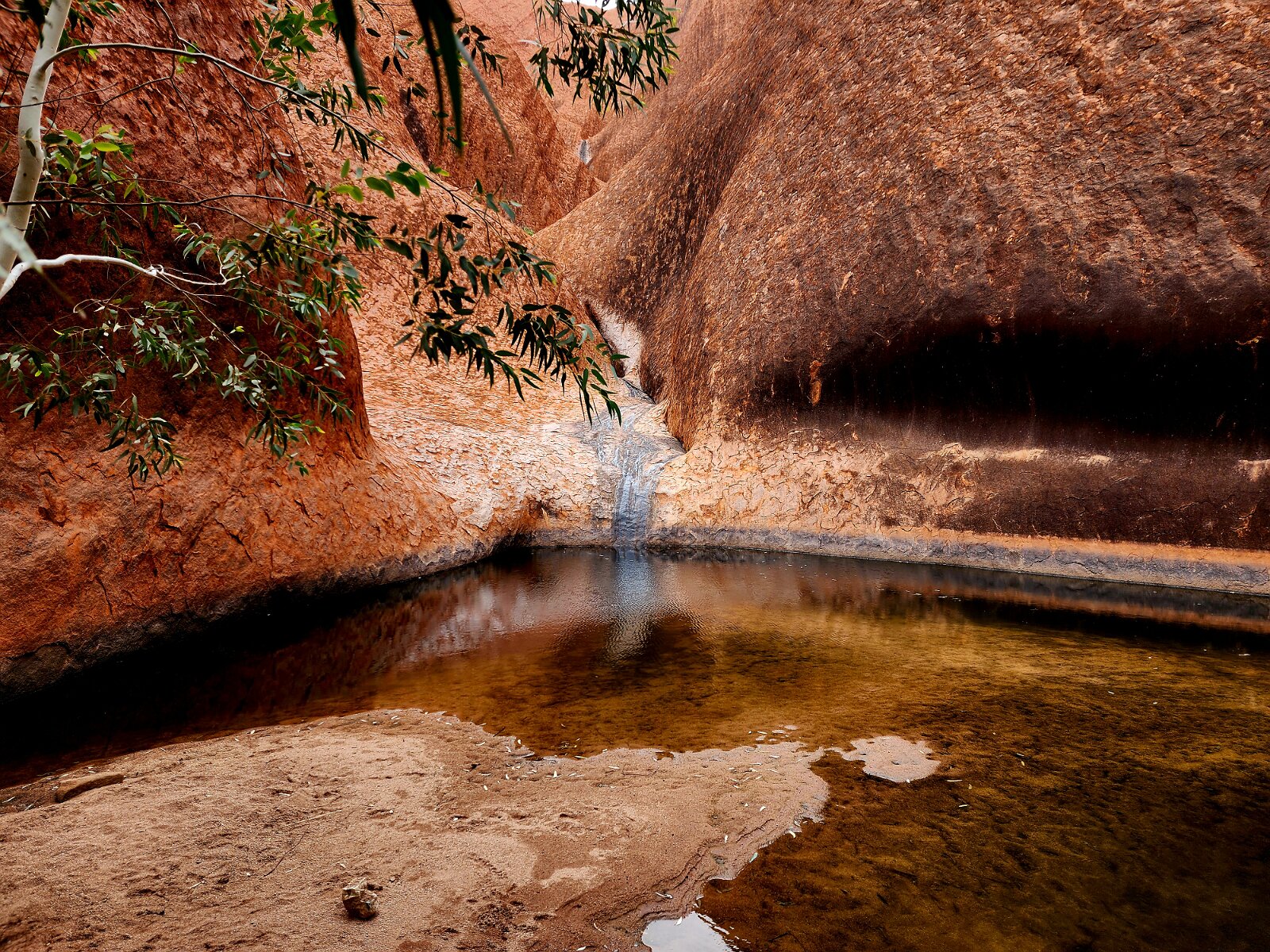
Situated on the eastern side of Uluru, Mutitjulu waterhole is an unusually shaped water-filled hole at the base of the rock. It’s the site of one of Uluṟu’s…
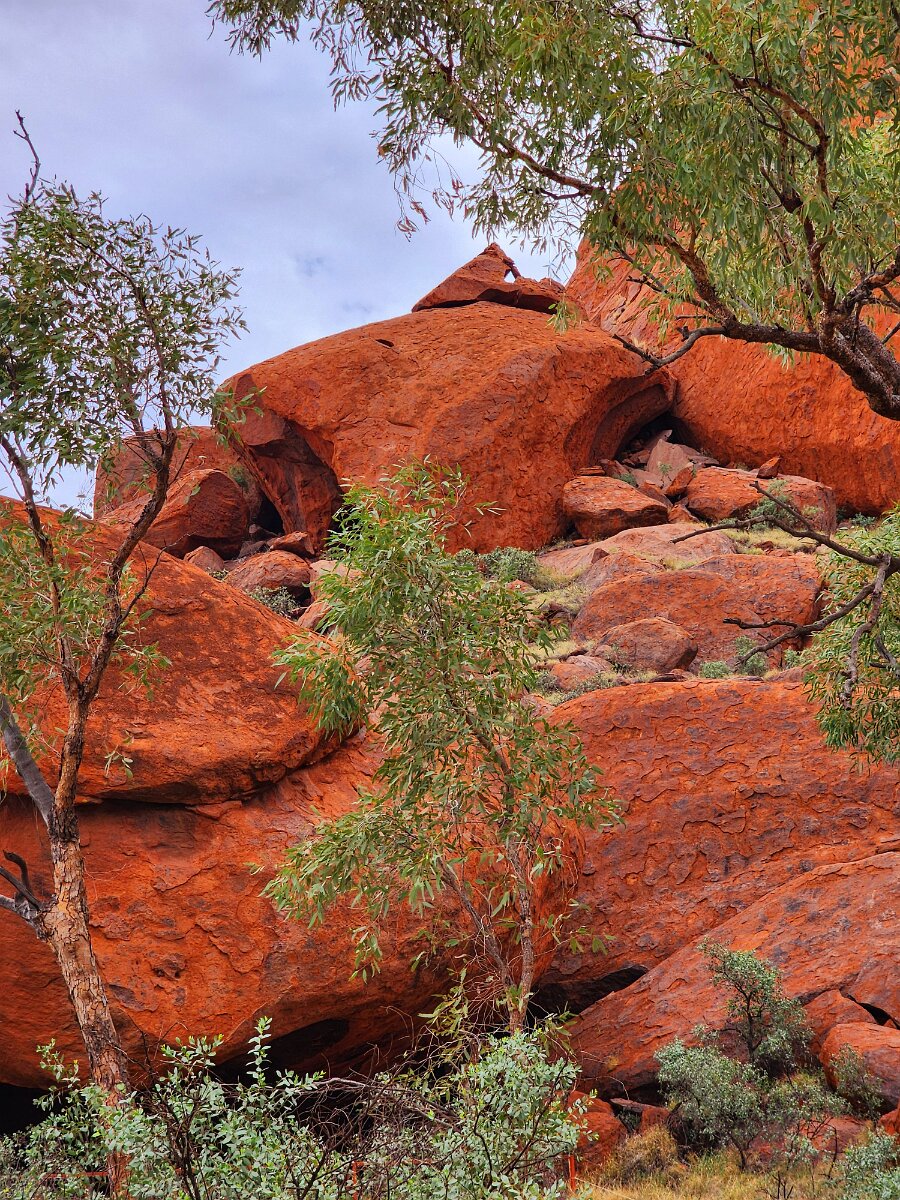
Is this snake head shaped rock possibly Wanampi?
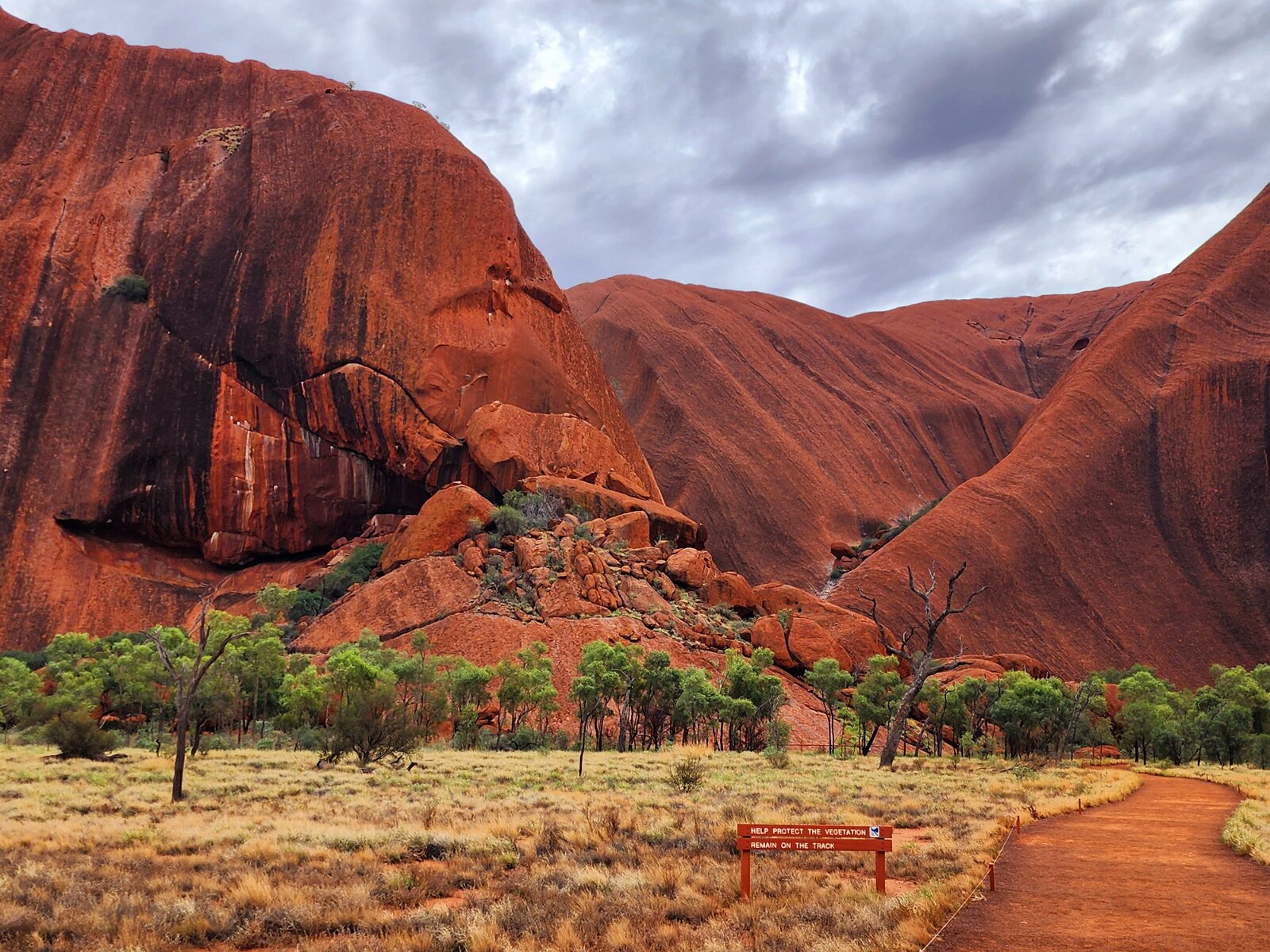
It is believed that the Uluru Rock and the domes of Kata Tjuta were formed approximately 350 million years ago.
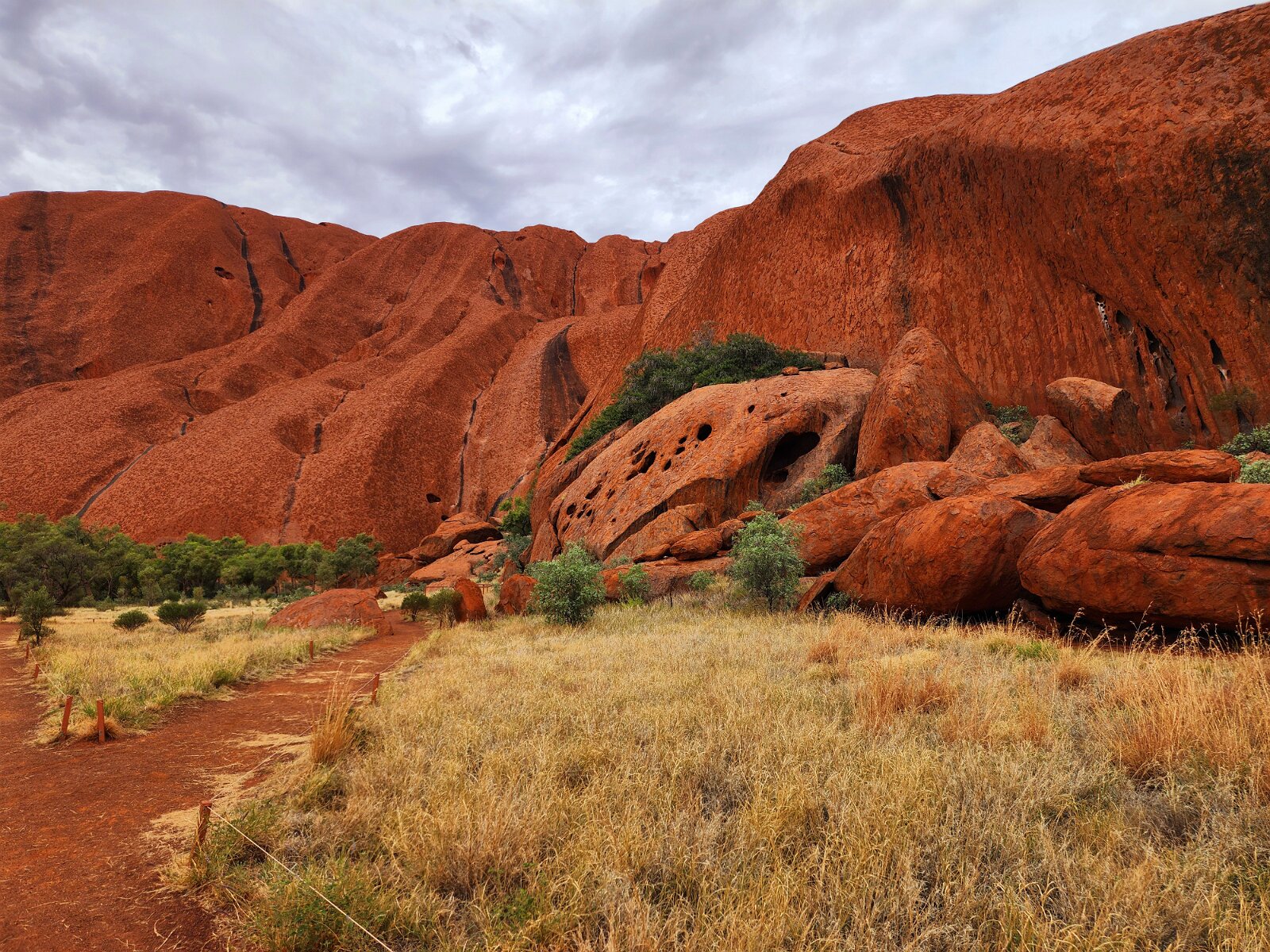
In the late 19th century, several conflicts between the Anangu and the invading Europeans started when the Europeans began to claim lands in the region to…

ltjaritjariku Yuu - In the Tjukurpa (creation time), the ancestral Minyma (marsupial mole woman) built this shelter and yuu (windbreak). The yuu is the large…

The Ayers Rock National Park was established in 1950. In due course, Kata Tjuta was added to the national park and on January 23, 1958, the Ayers Rock-Mount…
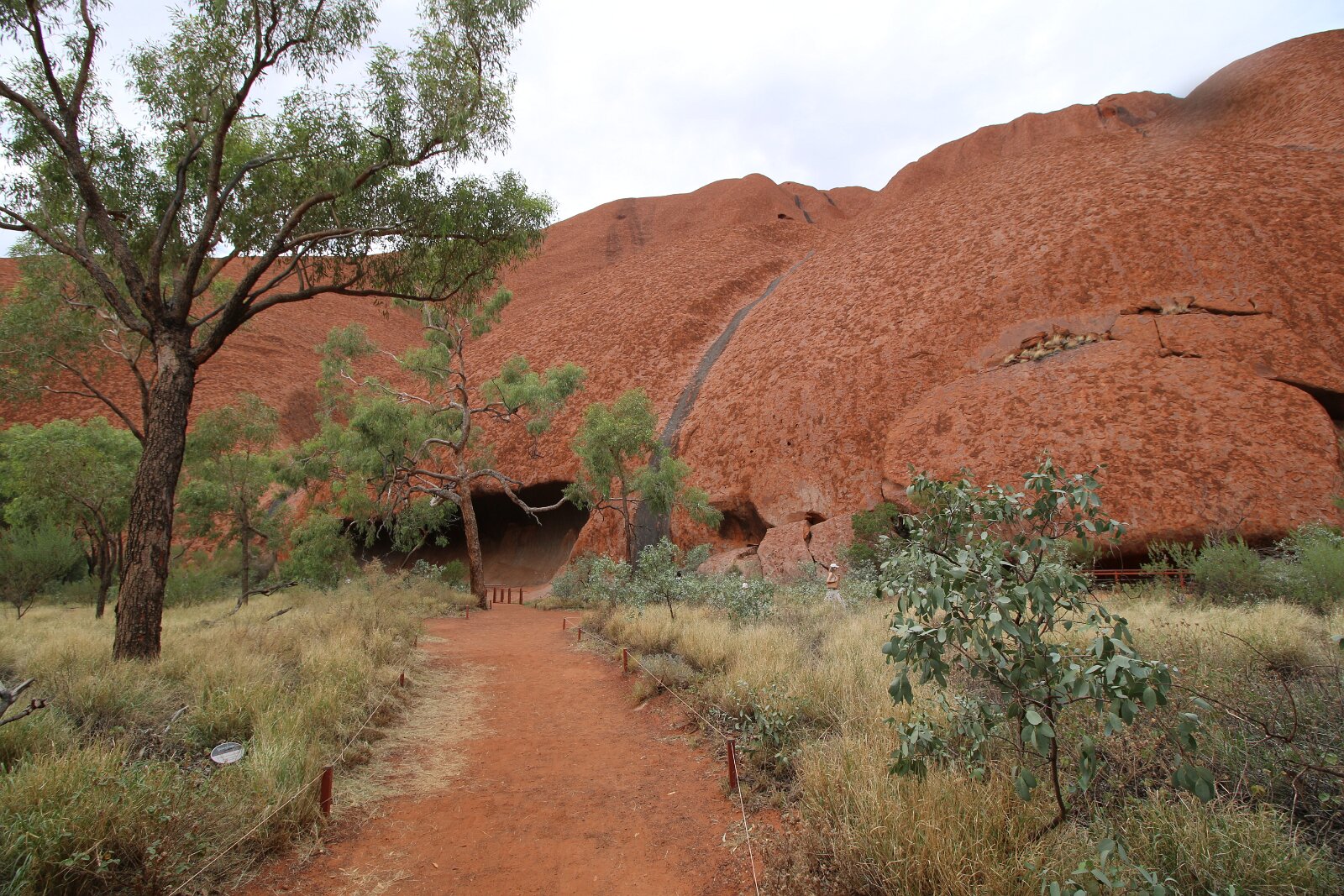
Despite the area’s harsh climatic conditions, the Uluṟu-Kata Tjuṯa National Park has been blessed with rich floral and faunal diversity. It is estimated that…
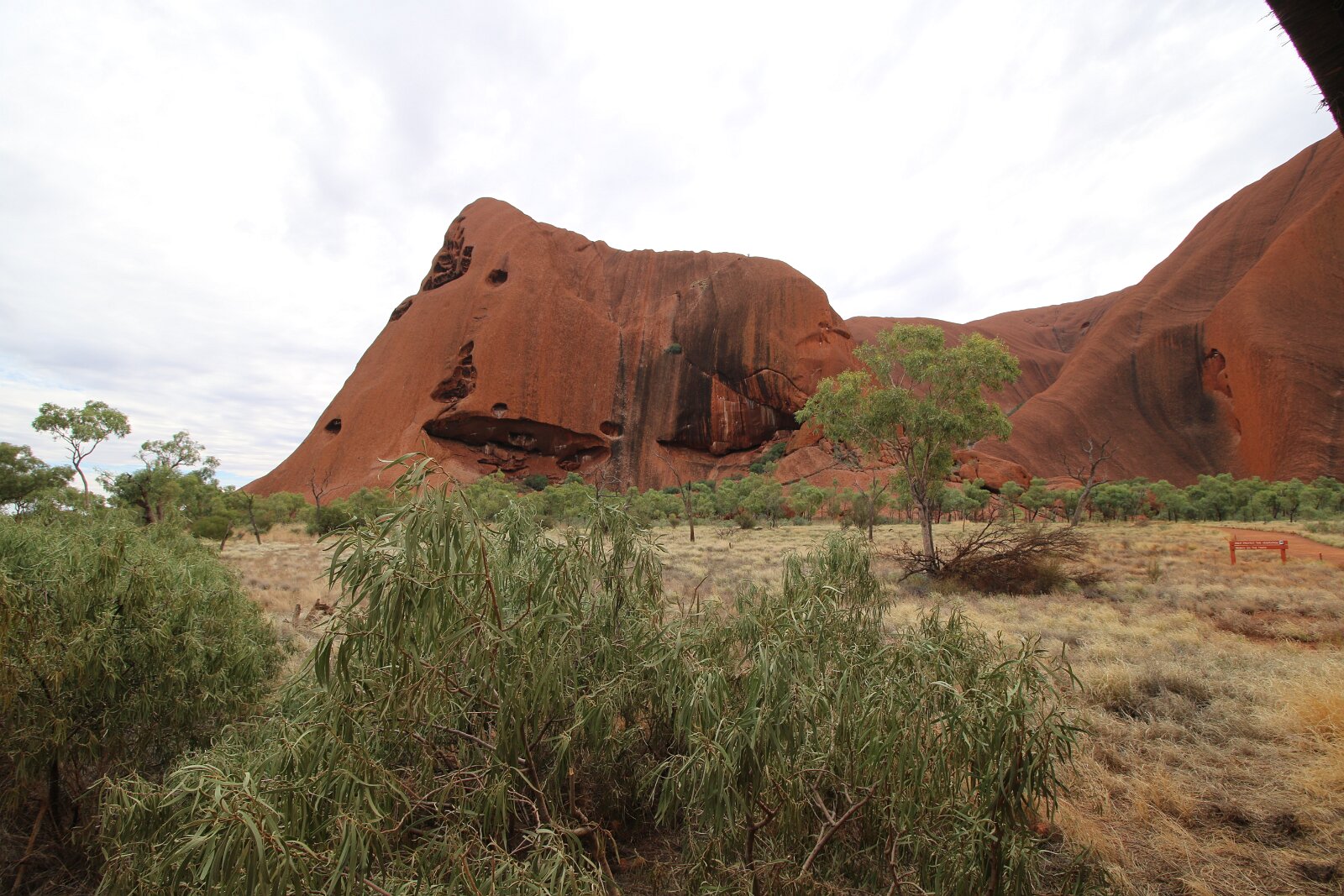
Archaeological findings to the east and west indicate that humans settled in the area more than 10,000 years ago.
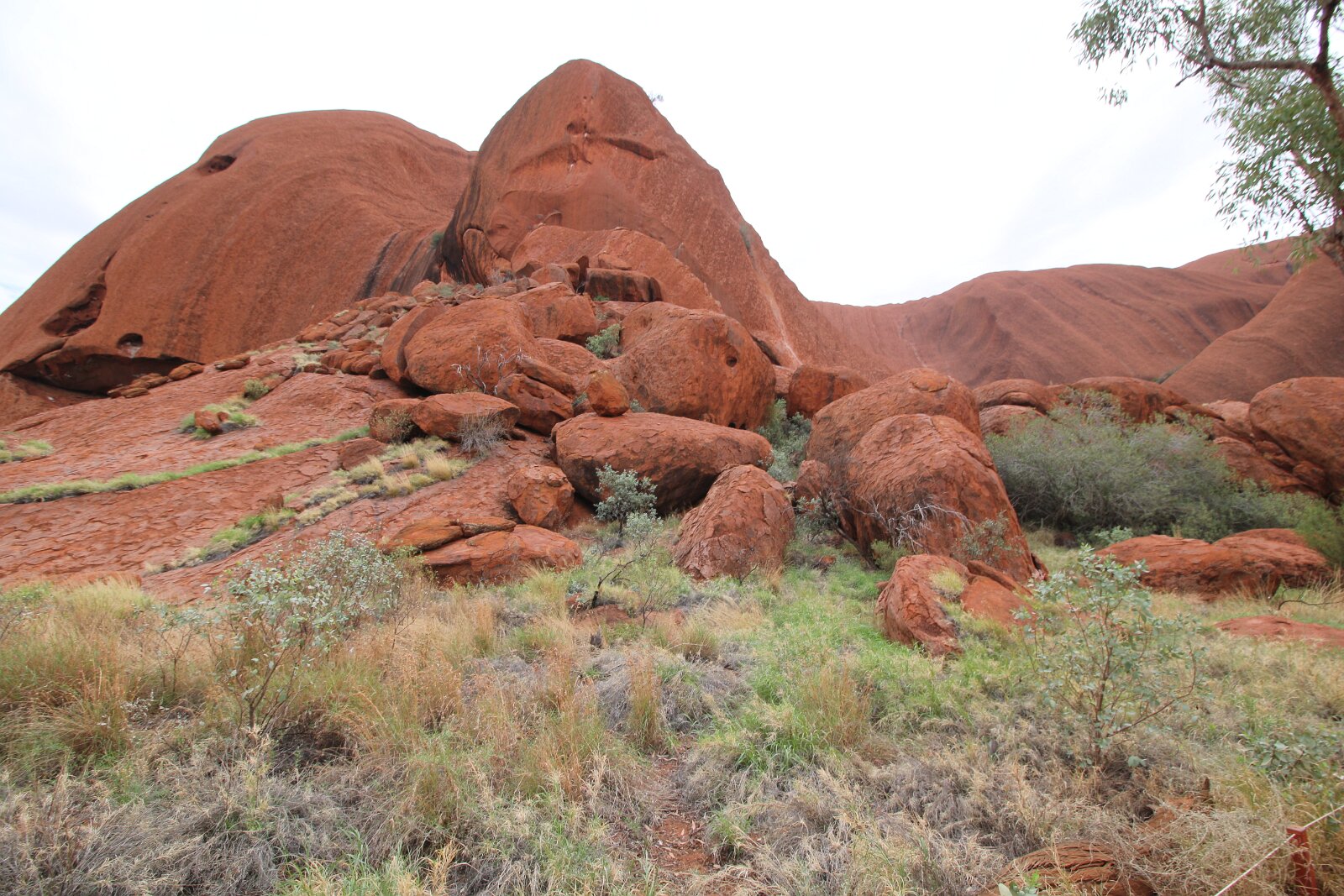
The Aṉangu request that visitors do not photograph certain sections of Uluru, for reasons related to traditional Tjukurpa (Dreaming) beliefs. These areas are…
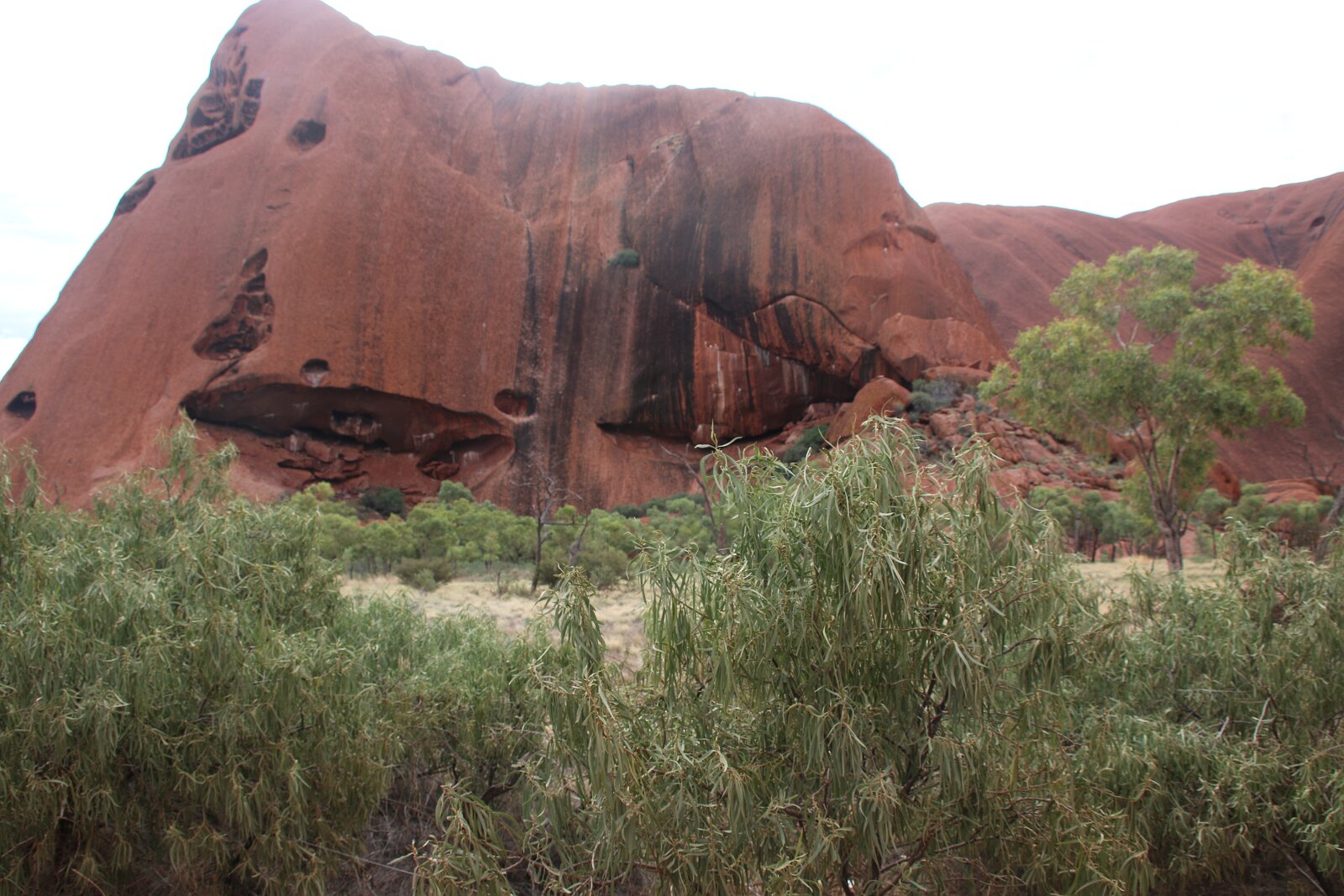
Uluru has a distinct red colour caused by the presence of iron oxide.

Uluru is the largest sandstone monolith in the world.